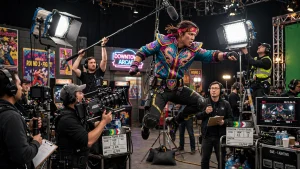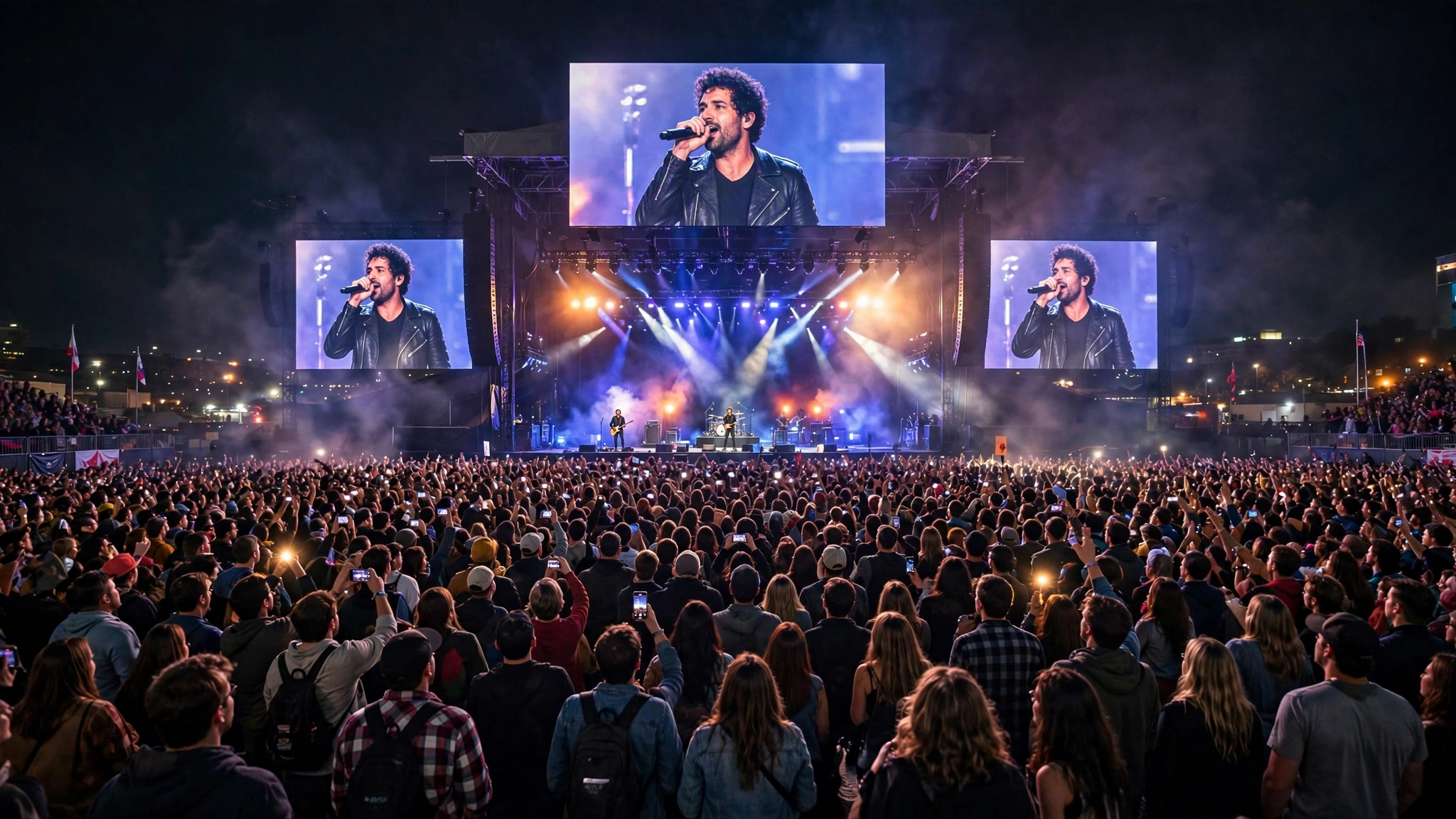
For fifteen years, streaming sold one promise: watch anything, any time. In 2026, the industry’s biggest cheques are being written for the opposite — things you can only watch right now. Boxing cards, football rights, awards shows, stadium concerts streamed for one night only. Live television, declared dead a decade ago, has become the most valuable product in entertainment.
Why Live Wins
The economics are brutal and simple. A library series can be watched next month, pirated tomorrow or skipped forever. A live final cannot. It concentrates millions of viewers into the same two hours, which is precisely what advertisers — who followed streaming platforms into ad-supported tiers — are willing to pay a premium for. Coverage in outlets such as Reuters has tracked the resulting rights auctions: prices for major sports packages have climbed steeply as streamers outbid the broadcasters who once owned them unchallenged.
Live events also solve streaming’s quiet crisis: churn. Subscribers who come for a series leave when it ends. Subscribers anchored to a season of sport, a weekly live show or an annual spectacle stay. A live calendar turns a cancellable app into a habit.
Not Just Sport
Sport opened the door, but the schedule filling up behind it is broader. Concert films now premiere as live streams with global start times. Comedy specials are staged as one-night events. Even reality franchises — long the backbone of platforms like the gaming and entertainment services we cover in our look at the world of online gaming and digital entertainment — have learned that live finales drive the conversation that recorded episodes cannot.
The Hollywood Reporter and other trade press describe the same shift from the talent side: stars increasingly want live moments, because live is where culture still happens simultaneously. A recorded release drips into the conversation over weeks. A live event owns the night.
What It Means for Viewers
More to watch, more places to watch it
The downside is fragmentation. Rights are scattered, so following one sport or one artist can mean three subscriptions. The upside is production quality: competition has pushed streams to be sharper, more interactive and more reliable, with live stats, alternate commentary and watch-party features becoming standard.
The return of appointment viewing
Something cultural is coming back with the calendar: shared timing. Group chats lighting up at the same moment, offices discussing the same finish the next morning — the social glue that on-demand quietly dissolved. Live streaming does not just sell events; it sells everyone watching together, apart.
The Next Chapter
Expect the line between streamer and broadcaster to vanish entirely. The platforms that win will look like channels — with schedules, seasons and tent-pole nights — built on internet infrastructure. On-demand is not disappearing; it is becoming the library underneath the live marquee. Hollywood spent a decade teaching us to watch whenever we like. Its next decade will be spent persuading us to watch right now — together, and preferably with the ads on.