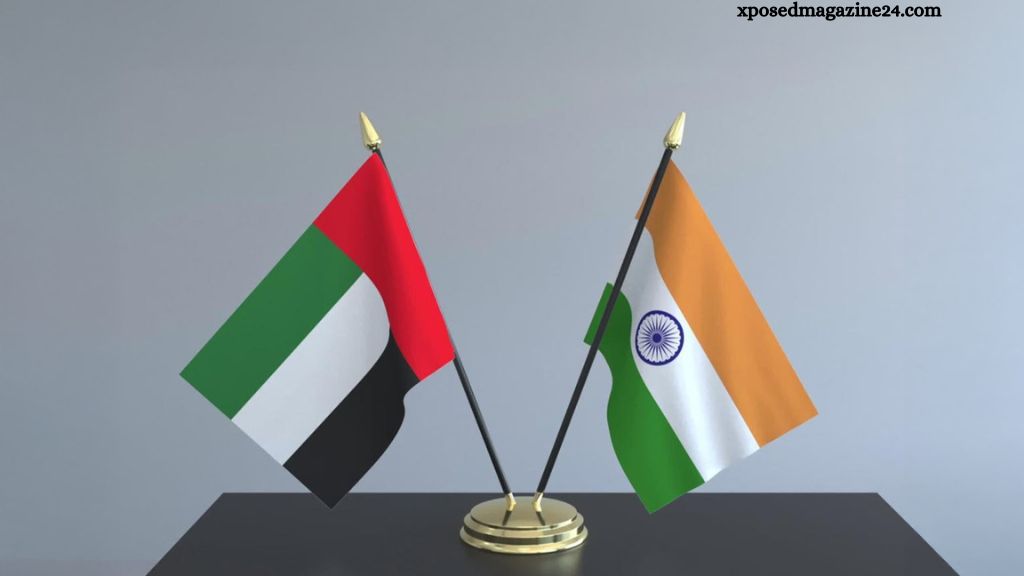
Since the 2020 pandemic, India and the UAE have strengthened their strategic Economic partnership, expanding their collaboration beyond trade. Both nations share business interests in critical minerals, defense, and energy.
This alliance has boosted trade and increased investment flows, positioning the UAE among India’s top ten investors. The Abu Dhabi Investment Authority (ADIA), one of the world’s most significant sovereign wealth funds, has diversified its portfolio in India, spanning sectors such as aviation, telecommunications, and technology.
Meanwhile, Indian companies are exploring profitable investment opportunities in the UAE. With India as a strategic partner, the UAE gains stability in security and technology. This growing interdependence is evolving into a comprehensive partnership that covers not only trade and energy cooperation but also defense, space exploration, education, and climate initiatives.
Read More: India targets 2028 for Chandrayaan-4 sample-return mission to moon’s south pole.
Landmark Agreement on Civil Nuclear Cooperation
India and the UAE marked a historic achievement with the signing of a Memorandum of Understanding (MoU) for civil nuclear cooperation. The agreement, finalized in September 2024 between India’s Nuclear Power Corporation (NPCIL) and the Emirates Nuclear Energy Corporation (ENEC), aims to strengthen collaboration in nuclear energy. It was signed during the visit of Sheikh Khalid bin Mohamed bin Zayed Al Nahyan, Crown Prince of Abu Dhabi, to India.
This partnership builds on discussions dating back to 2015. Both countries are committed to using nuclear energy for peaceful purposes, including in agriculture and safety. The UAE’s growing investments in atomic energy align with its long-term vision for shared scientific and technological progress.
Main Investment Avenues for India-UAE Collaboration
Key avenues for collaboration between India and the UAE include:
Multilateral Initiatives and Economic Integration
The India-UAE partnership has grown through platforms like the India-Israel-UAE-US (I2U2) grouping, focusing on areas such as food and water security. Notably, the UAE has pledged $2 billion to India’s food parks to address regional food needs. Additionally, their collaboration in the India-Middle East-Europe Economic Corridor (IMEC) is set to enhance trade infrastructure.
Trilateral Engagements
Both countries are active participants in global forums such as BRICS, the United Nations, and the UAE-France-India trilateral initiative. Launched in 2022, the UAE-France-India (UFI) collaboration focuses on joint projects, particularly in renewable energy sectors like solar and nuclear energy.
New Agreements in Energy and Logistics
In 2024, India and the UAE further strengthened their energy ties with several agreements. These include a long-term LNG supply deal between Abu Dhabi National Oil Company (ADNOC) and Indian Oil Corporation and a strategic partnership involving India’s Petroleum Reserves.
The UAE has also shown strong interest in supporting India’s food infrastructure. Through the I2U2 initiative, they have made targeted investments to develop food parks in Gujarat and Madhya Pradesh.
The Role of the UAE in Shaping India’s Energy Sector
The UAE plays a crucial role in enhancing India’s security, serving as a key oil supplier and partner in India’s Strategic Petroleum Reserve (SPR) program. In 2017, the UAE became the first country to store crude oil in India’s SPR facilities, marking a significant milestone. Beyond fossil fuels, both nations are now focusing on collaboration in renewable sectors, including green hydrogen and solar energy. This strategic partnership aligns with India’s commitment to transitioning to clean energy sources.
The India-GCC Partnership – Boosting Regional Relations
In September 2024, India participated in the inaugural GCC Foreign Ministers’ meeting in Riyadh. External Affairs Minister S. Jaishankar emphasized India’s position as one of the world’s largest energy consumers. This strategic dialogue underscored India’s goal to strengthen its regional economic landscape.
A Legacy of Trade Between the UAE and India
The India-UAE trade partnership dates back centuries, beginning with the exchange of goods like dates and pearls. Over time, the UAE has evolved into a global trading hub. India’s economic liberalization in the 1990s accelerated trade, which reached $83.65 billion in 2023-24. The Comprehensive Economic Partnership Agreement (CEPA) signed in 2022 has further reduced trade barriers, boosting investment and fostering stronger economic ties.
Trade Statistics (in US$ Million)
| Year | 2019-20 | 2020-21 | 2021-22 | 2022-23 | 2023-24 |
| India’s Export to UAE | 28,853.59 | 16,679.54 | 28,044.88 | 31,608.79 | 35,625.02 |
| India’s Import from UAE | 30,256.65 | 26,622.99 | 44,833.48 | 53,231.55 | 48,025.58 |
| Year | 2019-20 | 2020-21 | 2021-22 | 2022-23 | 2023-24 |
| Total Trade Volume | 59,110.23 | 43,302.53 | 72,878.36 | 84,840.34 | 83,650.60 |
Key Commodities: India’s Export and Import Profile
India’s exports to the UAE are varied, including mineral oils, precious metals, gemstones, machinery, textiles, and food products. In return, India imports crude oil, jewelry, plastics, and machinery from the UAE. The UAE is currently India’s fourth-largest oil supplier, making it a key strategic partner in ensuring India’s energy security.
Table showing Top Exports of India to the UAE
| India’s Top Exports to UAE | 2022-23 | 2023-24 |
| Mineral Fuels & Oils | 8,681.78 | 8,236.64 |
| Precious Stones & Metals | 5,772.47 | 8,043.08 |
| Electrical Machinery | 3,650.03 | 3,538.86 |
| Nuclear Reactors & Machinery | 1,074.13 | 1,363.65 |
Table showing Top Imports of India from the UAE
| Commodity | 2022-2023 (US$ Million) | 2023-2024 (US$ Million) |
| Natural or cultured pearls, precious stones, jewelry, coins | 14,788.04 | 20,109.77 |
| Mineral fuels, mineral oils, bituminous substances | 27,704.95 | 17,628.89 |
| Plastic and articles thereof | 1,700.46 | 1,664.70 |
| Aircraft, spacecraft, and parts | 1,881.98 | 1,175.53 |
| Salt, sulfur, earths, and stone | 948.23 | 993.94 |
| Iron and steel | 1,071.15 | 674.47 |
| Tanning or dyeing extracts, pigments, paints, inks | 22.81 | 659.31 |
| Ships, boats, and floating structures | 647.37 | 639.38 |
| Aluminum and articles thereof | 509.37 | 529.79 |
| Copper and articles thereof | 454.82 | 527.59 |
| Nuclear reactors, boilers, machinery | 306.88 | 481.48 |
| Electrical machinery, sound recorders, and parts | 479.60 | 323.11 |
| Fertilizers | 376.72 | 308.33 |
Strengthening Trade in Local Currencies
Over the years, Indian investments in top sectors in Dubai have grown significantly. In July 2023, India and the UAan E signed aaMoU for a Local Currency Settlement (LCS) system to streamline cross-border transactions and reduce reliance on third-party currencies. Managed by the Central Bank of the UAE and the Reserve Bank of India, this initiative marks a key step toward deeper economic integration.
Frequently Asked Questions
What is the significance of the India-UAE economic partnership?
The India-UAE economic partnership is crucial for both countries as it goes beyond trade, encompassing areas like energy, investment, defense, and technology. This strategic collaboration helps both nations strengthen their economic ties, enhance security, and promote mutual growth in various sectors.
How has trade between India and the UAE evolved?
Trade between India and the UAE has grown substantially over the years. From essential goods like dates and pearls in ancient times to more complex exports such as machinery, precious metals, and textiles, trade reached $83.65 billion in 2023-24. The Comprehensive Economic Partnership Agreement (CEPA) signed in 2022 further facilitated trade by reducing barriers and encouraging investment.
What are the key sectors driving the India-UAE economic partnership?
Key sectors include energy (oil and gas), critical minerals, defense, renewable energy (green hydrogen, solar), food security, and infrastructure development. The UAE is a significant oil supplier to India, and both countries are expanding their collaboration on clean energy.
What role does the UAE play in India’s energy security?
The UAE is one of India’s primary oil suppliers and a significant partner in the country’s Strategic Petroleum Reserve (SPR). Their partnership ensures India’s energy security and the UAE has been storing crude oil in India’s SPR facilities since 2017.
What is the Local Currency Settlement (LCS) system?
The LCS system, signed in July 2023, allows India and the UAE to conduct transactions in their local currencies, reducing dependence on third-party currencies like the US dollar. The system, managed by the Reserve Bank of India and the Central Bank of the UAE, aims to enhance trade efficiency and economic integration.
How does the India-UAE partnership contribute to global energy transition goals?
Beyond fossil fuels, both countries are focusing on renewable energy projects, such as green hydrogen and solar energy. This aligns with India’s push toward clean energy, which contributes to global sustainability and energy transition goals.
What are the investment opportunities between India and the UAE?
The UAE has made significant investments in India, particularly in sectors like infrastructure, food parks, and renewable energy. Indian businesses are also exploring opportunities in the UAE, especially in technology, defense, and the green energy sector.
What multilateral platforms are fostering India-UAE cooperation?
Both countries collaborate through multilateral platforms such as BRICS, the United Nations, and the India-Israel-UAE-US (I2U2) grouping. These platforms focus on critical areas like food security, water security, and infrastructure development.
What recent agreements have strengthened India-UAE ties?
Recent agreements, including the MoU for civil nuclear cooperation in 2024 and the LCS system, reflect a deepening partnership. These agreements enhance cooperation in sectors like energy, technology, and defense, creating a comprehensive framework for mutual growth.
How does the India-UAE partnership support India’s economic growth?
The partnership provides India access to critical resources, technology, and markets, boosting its growth. The UAE’s investments in India, particularly in infrastructure and food security, support India’s long-term economic goals.
Conclusion
The India-UAE economic partnership has evolved into a multifaceted and strategic alliance, extending beyond trade to include energy, defense, technology, and renewable sectors. This collaboration, fueled by agreements like the Comprehensive Economic Partnership Agreement (CEPA) and the Local Currency Settlement (LCS) system, has strengthened bilateral ties and facilitated mutual growth.
As both nations deepen their engagement in areas like clean energy, infrastructure, and food security, the partnership stands as a testament to their shared vision for economic development, stability, and sustainability. This ongoing evolution enhances their regional influenceando contributes to global economic integration and sustainability goals.