
Delhi is facing a severe air quality crisis as pollution levels soar to hazardous levels, with the Air Quality Index (AQI) reaching a staggering 317, classified as “very poor.” Several regions in the city, including Anand Vihar, recorded AQI levels exceeding 600, making the air almost unbeatable.
In response, the Delhi government has deployed 200 mobile anti-smog guns to tackle the growing pollution, aiming to curb dust particles contributing to the crisis. Despite a decrease in stubble burning, traffic emissions, industrial activity, and construction dust continue to worsen the city’s air quality, posing significant health risks to residents.
Read More: India-UAE Economic Partnership: Strengthening Ties Beyond Trade
What is AQI and Why Should We Care?
The AQI is a numerical scale that measures the concentration of pollutants in the air, such as particulate matter (PM2.5), sulfur dioxide, carbon monoxide, ozone, and nitrogen dioxide. A higher AQI indicates more pollutants and, consequently, worse air quality. An AQI of 317 falls under the “inferior” category, where residents may experience significant respiratory discomfort. AQI levels above 400 are classified as “severe” and can lead to serious health risks for all individuals, including those with pre-existing respiratory conditions, children, and older people.
Impact on Health and Environment
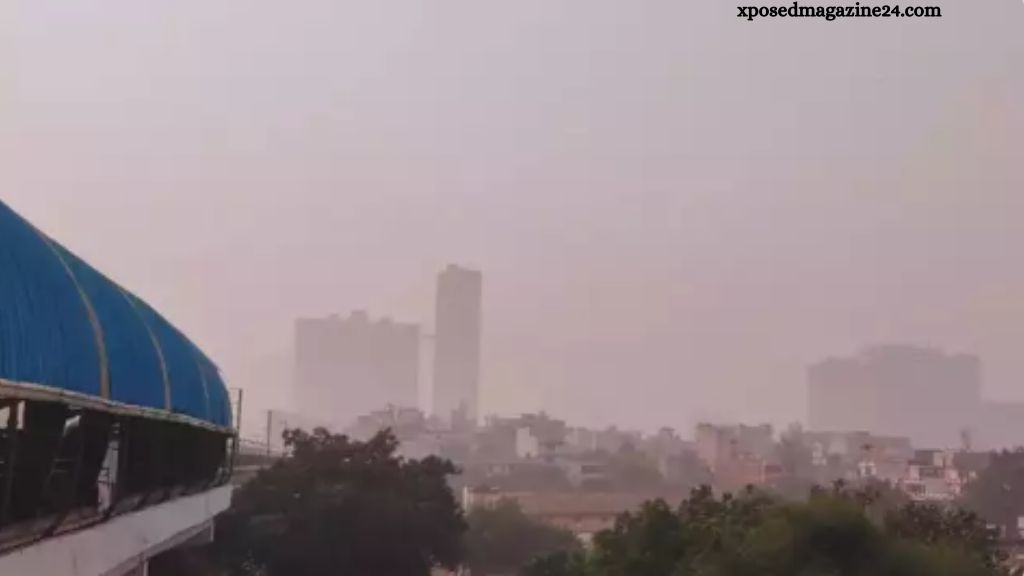
The most alarming aspect of Delhi’s air pollution is the dangerously high levels of PM2.5, the delicate particulate matter small enough to enter the bloodstream and lungs. On Monday, PM2.5 levels in Delhi were reported to be 59 times higher than the World Health Organization’s safe limit. Exposure to such high levels of pollution can trigger a host of respiratory issues, including asthma, bronchitis, and other chronic lung diseases. Long-term exposure may even result in more severe conditions, such as heart disease and cancer.
Key Areas Affected by the Crisis
Delhi’s air quality varied across different parts of the city, with several regions reporting alarming AQI levels. Anand Vihar, a locality severely impacted by pollution, recorded the highest AQI of 627. Other areas, such as Alipur, Narela, and Bawana, saw AQI levels ranging from 368 to 388, indicating hazardous air quality. Punjabi Bagh and RK Puram also experienced “very poor” AQI of 319 and 268, respectively.
Government’s Response to the Crisis
Delhi’s Environment Minister, Gopal Rai, announced the deployment of 200 mobile anti-smog guns across the city to combat the worsening air quality. These guns will spray fine mists of water to settle the airborne dust particles that contribute significantly to Delhi’s pollution. The mobile units will operate in three eight-hour shifts, ensuring that all assembly constituencies are covered.
Despite a reduction in stubble burning from neighboring states, which contributed 15% of Delhi’s pollution on Saturday (down from 35% on Friday), other factors, such as traffic emissions, industrial activity, and construction dust, remain significant contributors to the crisis.
Steps You Can Take to Protect Yourself
As the air quality continues to worsen, medical professionals are urging residents to minimize outdoor activities, especially during peak pollution hours. Those who must go outside should wear N95 masks to protect themselves from inhaling harmful particles. Additionally, staying indoors with windows closed and using air purifiers can help reduce exposure.
Frequently Asked Questions
What is an AQI, and what does a reading of 317 indicate?
The AQI (Air Quality Index) measures the level of air pollution. A reading of 317 falls into the “inferior” category, indicating that the air is harmful to the general population, especially those with respiratory conditions.
Why is PM2.5 so dangerous?
PM2.5 consists of tiny particles that can penetrate deep into the lungs and bloodstream, causing respiratory and cardiovascular issues. Long-term exposure can lead to chronic health problems.
What measures are being taken to address the pollution?
The Delhi government has deployed 200 mobile anti-smog guns to curb dust pollution. These guns will spray fine mists of water to settle airborne dust particles across the city.
How can residents protect themselves during severe pollution?
Residents should minimize outdoor activities, wear N95 masks, stay indoors with windows closed, and use air purifiers to protect against polluted air.
Has stubble burning been a significant factor in Delhi’s pollution this season?
While stubble burning had contributed significantly to Delhi’s pollution levels in the past, it has decreased this season. As of Saturday, it accounted for only 15% of the pollution, down from 35% earlier.
Conclusion
Delhi’s air quality crisis is a stark reminder of the growing environmental challenges the city faces. With pollution levels reaching hazardous levels, it is crucial for both the government and citizens to take immediate and effective measures to address this ongoing issue.
While the deployment of anti-smog guns is a step in the right direction, long-term solutions will require tackling traffic emissions, industrial pollution, and construction dust. In the meantime, residents must take precautions to protect their health in the face of this toxic air.