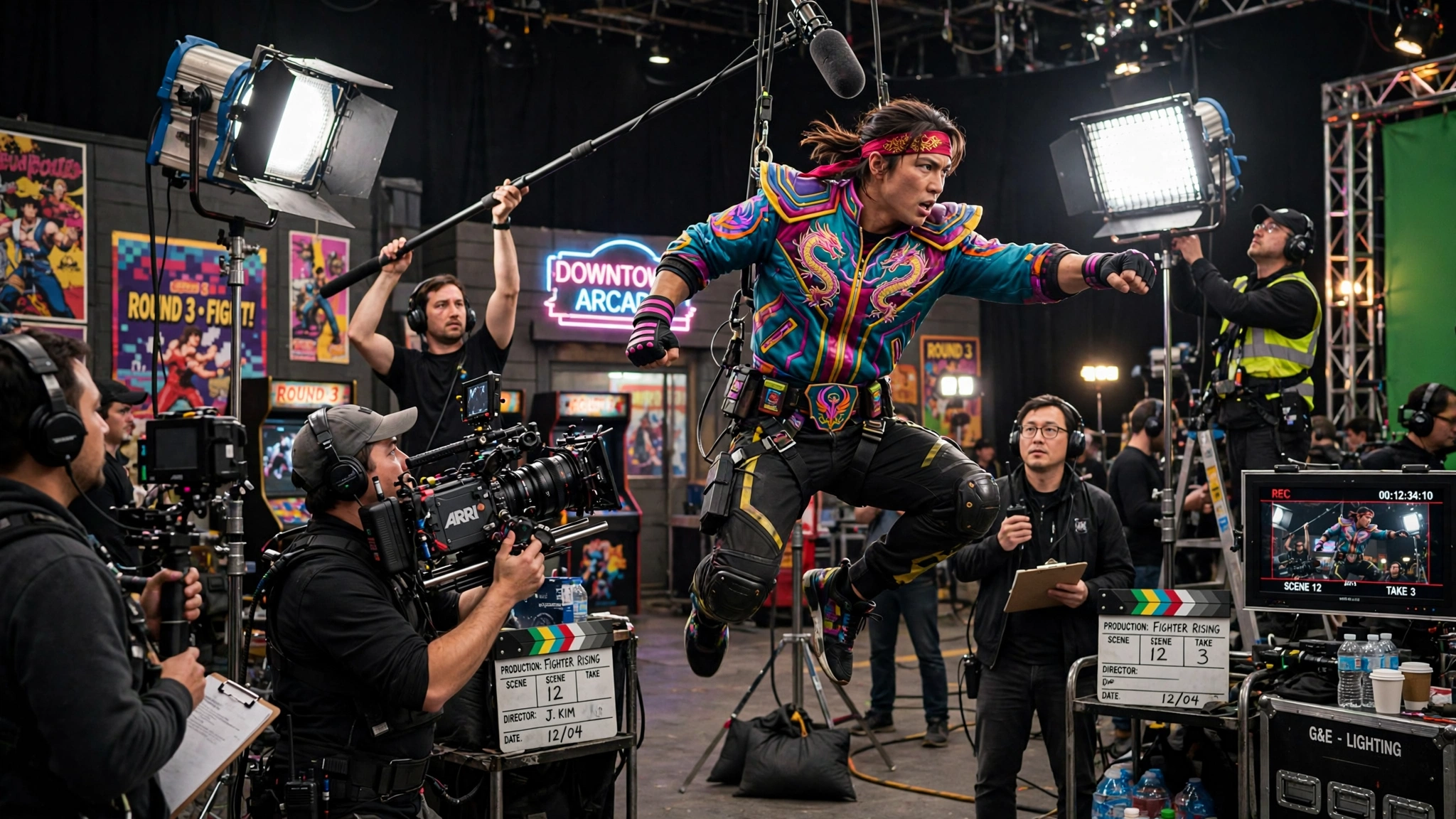
There is a detail from the set of the new Street Fighter movie that says everything about how Hollywood has changed. According to entertainment coverage of the production, the stunt coordinator researched every character in the game’s roster so that each fighter’s on-screen combat keeps their signature style — the lunging strikes, the impossible kicks, the moves players have been performing with their thumbs since the arcade era. A generation ago, a video game movie would have treated that as trivia. In 2026, it is the whole selling point.
The Curse Is Broken
Game adaptations were once Hollywood’s punchline: rushed licences, indifferent scripts, box-office embarrassment. The turning point came when a run of faithful, well-crafted adaptations — animated and live-action alike — began posting the kind of numbers studios dream about. Trade coverage on Deadline and Variety now treats major game properties the way it once treated comic-book universes: as pre-sold worlds with global, multi-generational fanbases.
Street Fighter is a perfect test case. The franchise has survived an infamous 1994 film attempt to become a beloved esports staple, its characters instantly recognisable across forty years of players. Casting announcements have been received the way superhero casting once was — as front-page entertainment news — and the production’s emphasis on authentic fight choreography signals that the filmmakers know exactly who their first audience is.
Why Games, Why Now
The audience grew up — and brought its wallet
Players who queued at arcades in the nineties now buy family tickets. Players who grew up with consoles run studios. The cultural centre of gravity shifted, and games offer what original screenplays struggle to: worlds audiences already love, with decades of stories banked.
Games are built like franchises
A fighting roster is a cast of sequels waiting to happen. Open worlds are television seasons in embryo. As we have noted in our coverage of online gaming’s many formats, from club-style gaming platforms to global esports, interactive entertainment long ago learned to build universes people live in. Film is simply moving into neighbourhoods games already built.
The Risk Has Not Vanished
For every triumph there is still a cautionary tale, and fans remain the harshest critics in entertainment. Faithfulness is necessary but not sufficient: the adaptations that endure are films first — with characters, stakes and scenes that work for people who have never held a controller. The Street Fighter team’s homework is encouraging precisely because it suggests craft, not just licensing.
What Comes Next
Studios are now mining every shelf of gaming history, from indie darlings to strategy epics, and the bidding wars resemble the early days of the superhero boom. If Street Fighter lands — with real martial artistry, real characters and respect for its source — it will not just redeem a franchise. It will confirm the new order of popular culture: the arcade ate Hollywood’s lunch, and Hollywood has decided to join the game.