The UAE oil spill response reached a turning point this week as the United Arab Emirates confirmed that oil leaking from the tanker GEM NO. 2 has stopped, a milestone in an incident that has closed beaches and drawn a multi-agency response along the northern coast. According to the latest updates on the recovery operation, field assessments have detected no new leakage, satellite images show the slick concentrated off Umm Al Qaiwain and extending towards Ras Al Khaimah, Ajman and Sharjah, and officials report a significant decline in marine pollution as recovery work continues.
UAE Oil Spill: A Coordinated Federal Response
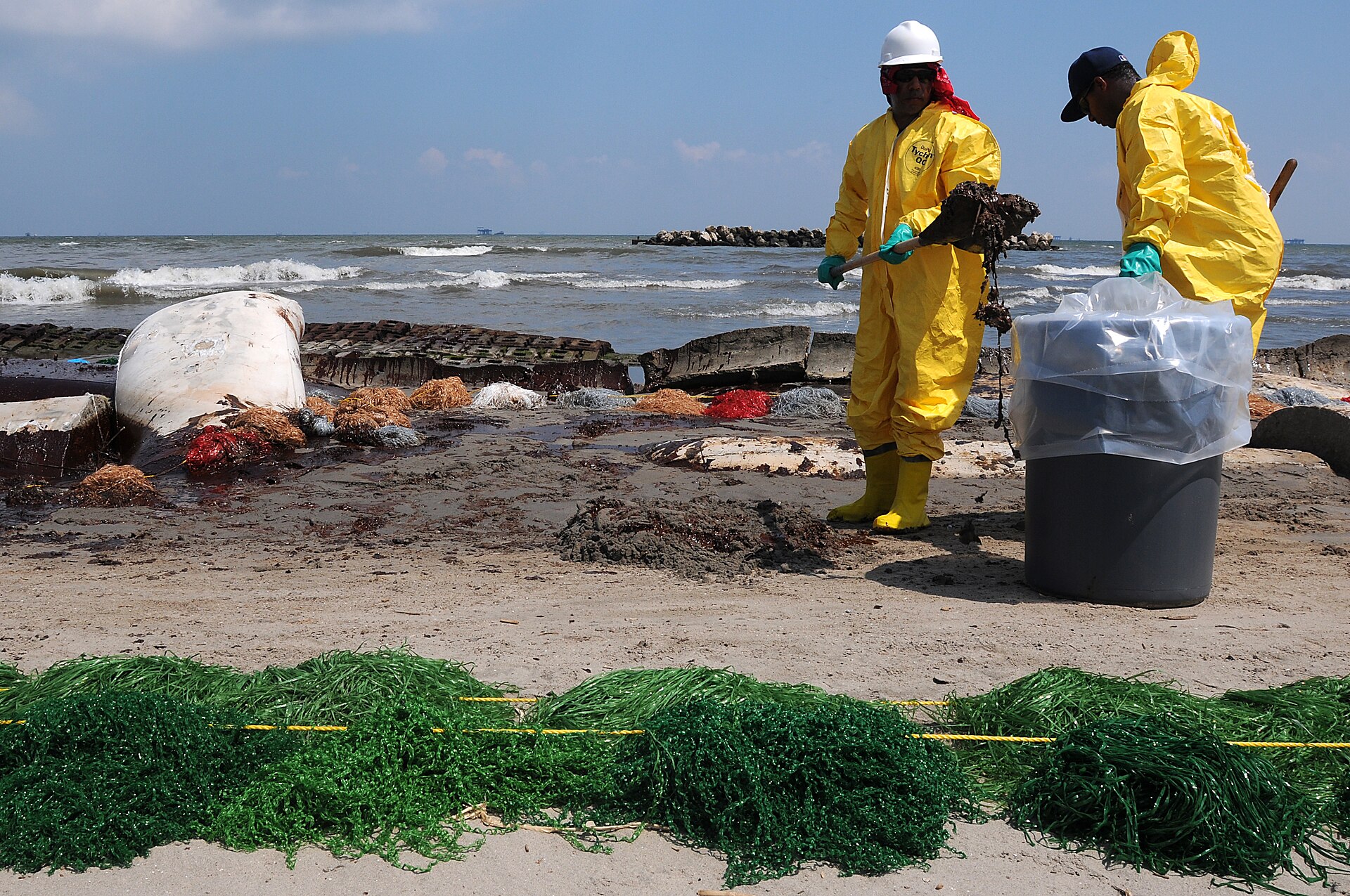
The Ministry of Energy and Infrastructure is coordinating the operation with the Ministry of Climate Change and Environment, the National Emergency Crisis and Disaster Management Authority and local authorities in the affected emirates. Their immediate priorities have been securing the vessel, containing floating oil before it reaches sensitive shoreline, and monitoring water quality around desalination intakes and fishing grounds. Temporary closures of some beaches and coastal areas remain in place as a precaution while skimming and shoreline cleaning continue.
Why This Coastline Matters
The northern emirates’ coast supports fishing communities, tourism and marine habitats that are slow to recover from oil contamination. Environmental scientists note that the long-term questions concern what settles into sediment and seagrass beds rather than what floats away, which is why baseline monitoring matters — a point echoed in research on how kelp forests lock away carbon along coasts, where underwater ecosystems quietly deliver services that only become visible when they are damaged. Gulf waters also carry some of the world’s busiest energy shipping, making spill preparedness a permanent policy issue rather than an occasional emergency.
What Comes Next
With the leak stopped, attention shifts to accountability and prevention: how the spill occurred, what the response cost, and whether vessel inspection and routing rules need tightening. Authorities have not yet given a timeline for reopening all affected beaches, saying closures will lift area by area as testing confirms the water is clean. Residents have been advised to follow official channels rather than social media for reopening notices.
Fishing and tourism operators in the affected emirates are waiting for clearer timelines, with some beach businesses reporting cancellations even outside the closed zones. Officials have promised compensation assessments once damage surveys are complete. Marine biologists, meanwhile, are cataloguing oiled wildlife and shoreline samples that will form the baseline for any legal claims — the unglamorous paperwork phase of a spill that often determines how fully an ecosystem is restored.
The incident is a reminder of the bargain Gulf states strike every day — the same waters that carry their prosperity can carry its risks ashore. This time, officials say, the worst of it has been contained.