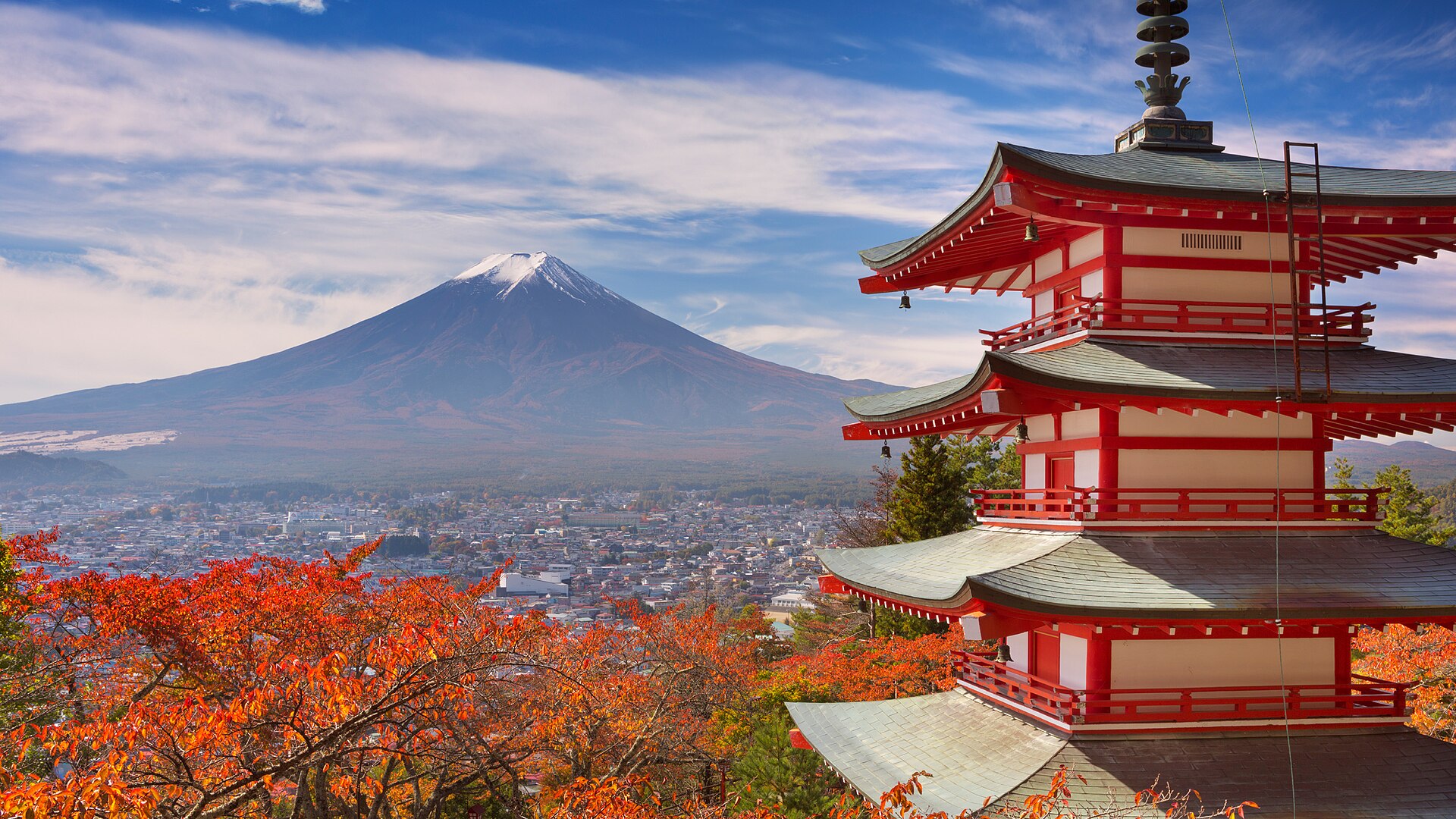
Japan tourism development has been placed first in the World Economic Forum’s 2026 Travel & Tourism Development Index, the country’s highest-profile endorsement yet as a destination that pairs enormous visitor appeal with the infrastructure to handle it. The ranking, noted in the latest global travel developments, assessed 110 economies and found that 92% of them improved their scores compared with 2024 — a sign that the competition Japan now leads is getting stronger everywhere.
Why Japan Tourism Development Leads
The index weighs far more than visitor numbers. It scores economies on transport infrastructure, safety, healthcare, cultural and natural resources, sustainability and how evenly tourism’s benefits spread. Japan’s performance rests on foundations decades in the making: a rail network that makes regional travel effortless, spotless and safe cities, and a deliberate national strategy that has promoted regional destinations alongside Tokyo, Kyoto and Osaka. That spread matters, because it moves spending into prefectures that actively want visitors rather than concentrating pressure in a handful of famous districts.
The Overtourism Question
Success brings its own complications. Japan’s most famous sites now manage crowds that strain local life, and the country has experimented with visitor fees, reservation systems and promotion of lesser-known regions. It is the same tension examined in the site’s travel coverage of heritage cities worldwide: how to keep destinations welcoming without making them unliveable. Japan’s advantage is administrative capacity — few countries can implement crowd management with the same precision — but even its systems are being tested by record arrivals and a weak yen that keeps the country on sale.
A Benchmark for Rivals
For competing destinations, the index offers a template as much as a ranking. The economies climbing fastest are those investing in the unglamorous parts of tourism: regional airports, digital booking for rural attractions, workforce training and sustainability measurement. Thailand, Vietnam and other Asian rivals have all launched Japan-inspired regional dispersal campaigns, while European destinations study its transport integration with particular envy.
The index’s methodology rewards exactly the things Japan treats as national projects: punctual transport, universal healthcare access, preserved heritage and measurable sustainability. Officials in Tokyo have been careful not to gloat, framing the result as validation of a long-term tourism strategy that targets value over raw volume — fewer, longer, higher-spending visits rather than an endless chase for arrival records. Other governments are expected to borrow the framing, if not yet the execution.
Rankings fluctuate, and Japan’s challenge now is defence: protecting service quality and resident goodwill as numbers climb. But topping the 2026 index confirms something travellers already knew — no country currently converts visitor interest into a well-run visitor experience quite as completely as Japan does.