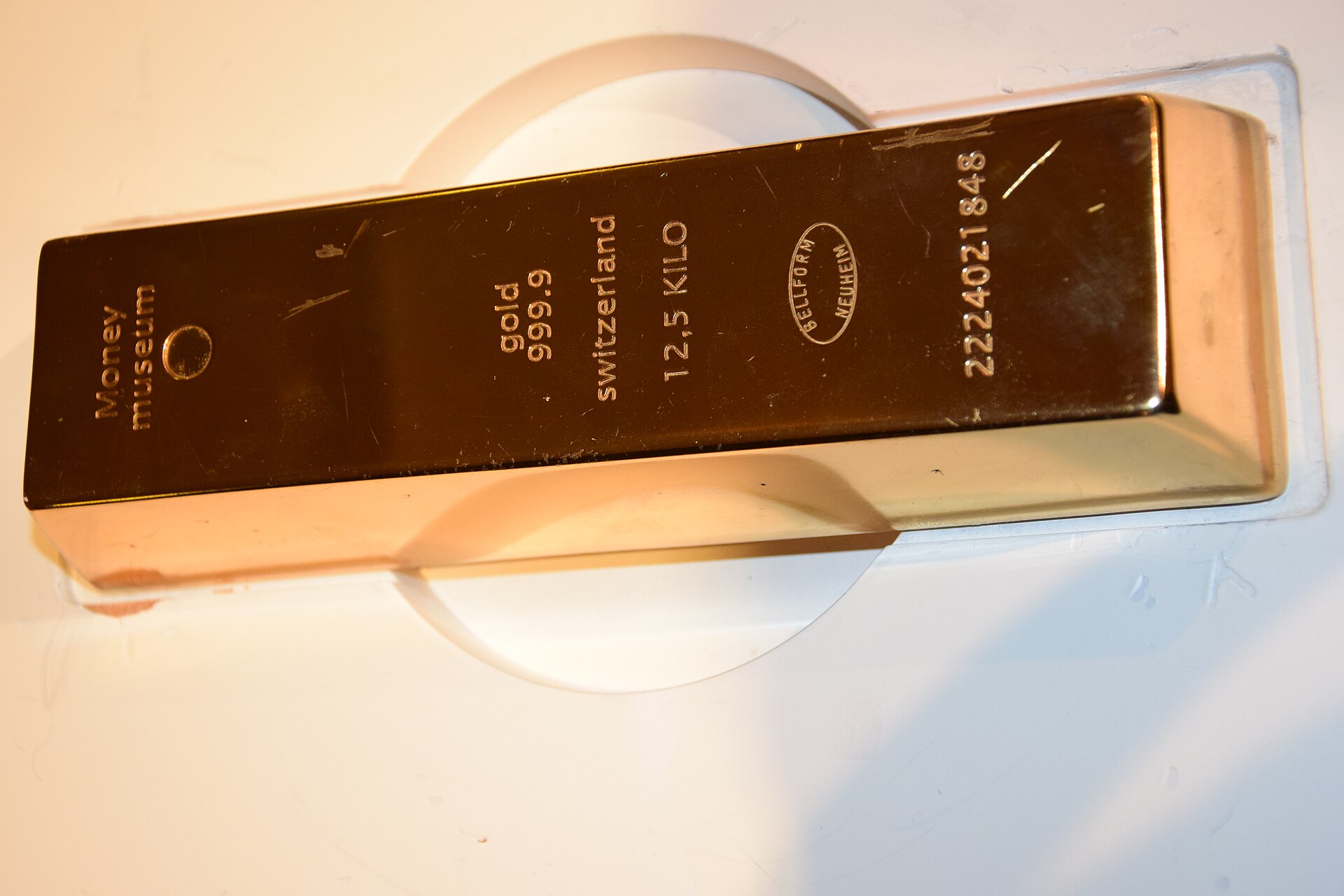
Commodity markets delivered a study in contrasts on Friday. Gold, the classic refuge in troubled times, fell more than 3.6 percent to below $3,900 an ounce, while Brent crude climbed to settle above $117 a barrel on fears for shipping through the Strait of Hormuz. Silver plunged over 6 percent, and the divergence left traders asking which signal, fear of war or fear of recession, deserves to win.
Why Gold Fell in a Crisis
Gold’s slide surprised casual observers but followed a familiar script. After a spectacular run to record highs, the metal was crowded with momentum traders; when stocks and crypto fell together, funds sold what they could, not what they wanted to, and gold’s liquidity made it a source of cash. A firmer dollar and profit-taking after months of gains did the rest. Analysts stress that the long-term case, central-bank buying and geopolitical hedging, has not vanished with one bad week.
Silver’s heavier fall fits its dual nature as both precious and industrial metal. When growth fears rise, silver behaves like a factory input; when fear dominates, it behaves like gold’s volatile sibling. Friday delivered both impulses at once, and volatility won.
Oil Marches to a Different Drum
Crude’s rally has a single address: Hormuz. Reports of tankers striking mines in the strait, through which a fifth of world oil supply passes, have pushed insurers and shippers into caution and handed producers a geopolitical premium. Every day the waterway stays tense, that premium persists; every hint of mediation, such as the Qatari diplomatic push, trims it.
For central bankers, $117 oil is a headache that complicates the inflation fight just as growth wobbles. How they communicate that dilemma matters, which is why our story on central banks adopting plainer language is relevant reading: when energy shocks hit, clear guidance about what policymakers will and will not react to can steady markets almost as much as the decisions themselves.
What It Means for Portfolios
The week’s cross-currents have humbled simple hedges. Portfolios built on the assumption that gold rises when stocks fall, or that crypto diversifies either, have had a rude education. Strategists counsel position sizing over prediction: the same market can punish equities, metals and digital assets simultaneously when liquidity is the thing being sold.
The interplay between the gold slump and crypto’s red October is examined in the market report on the selloff, which connects Friday’s commodity moves to the equity and digital-asset routs and asks what November’s first sessions must show to restore calm.
Markets occasionally remind everyone that correlations are fair-weather friends. Gold below $3,900 and oil above $117 can both be true when war risk lifts energy while liquidation drags everything with a bid. Investors who understand which force is acting on which asset will navigate the coming weeks better than those waiting for the old rules to reassert themselves.