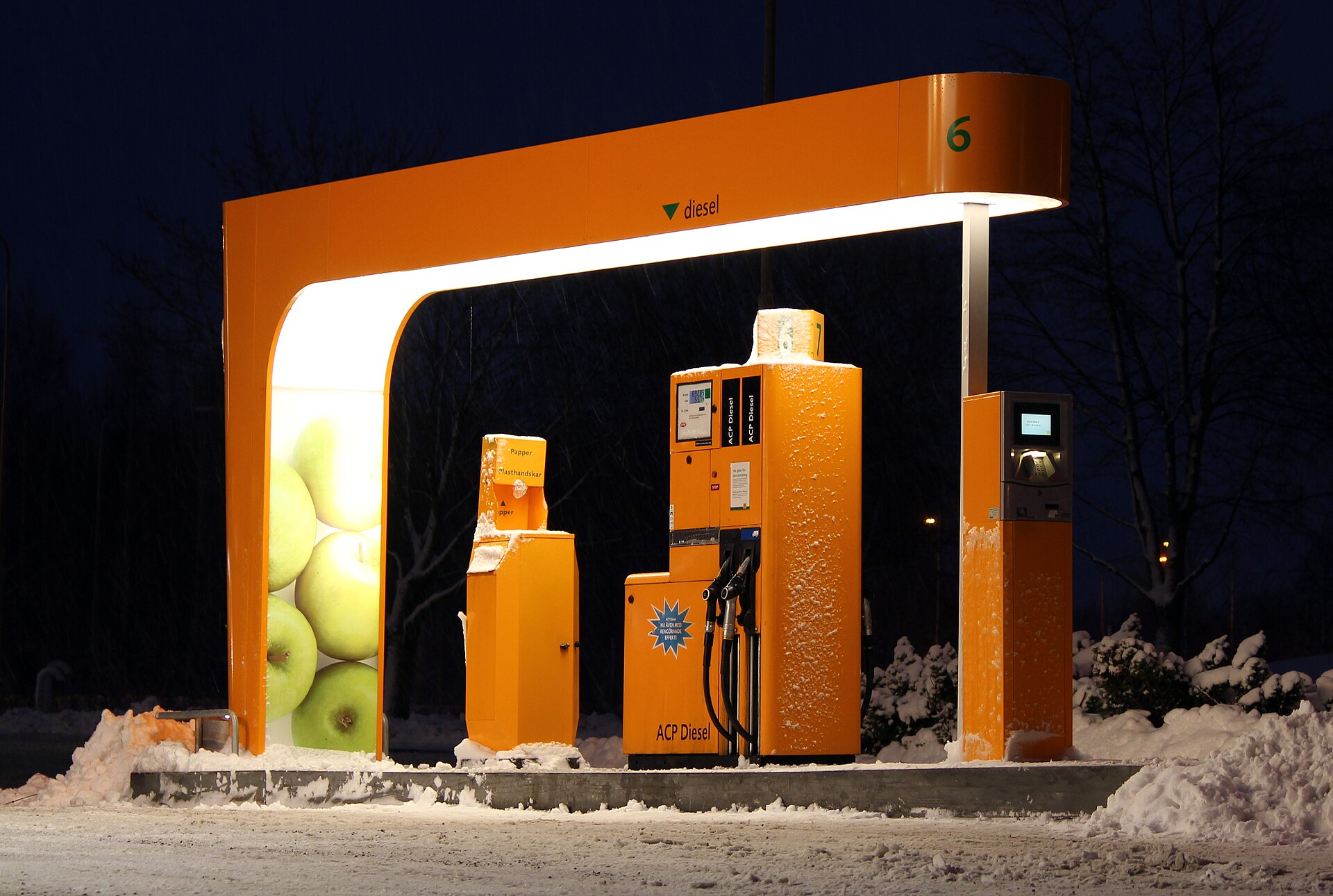
UAE fuel prices fall from November 1, after the country’s Fuel Price Committee announced lower petrol and diesel rates for the month — a decision that lands oddly against a backdrop of climbing international oil prices and renewed tension around the Strait of Hormuz. The monthly adjustment, summarised in the UAE residents’ update, is one of several moving parts for residents this week, alongside the oil spill clean-up on the northern coast and continuing disruption to some regional flight schedules.
UAE Fuel Prices: Cheaper Fuel, Expensive Crude
The apparent contradiction is explained by how UAE prices are set: the committee reviews average global prices over the preceding period and adjusts domestic rates monthly, so a late surge in crude does not immediately pass through. Brent futures recently rose towards $120 a barrel amid reports of attacks on shipping — the UK Maritime Trade Operations counted at least 35 attacks in the Gulf and Strait of Hormuz during October. If those prices persist, the December review could reverse this month’s relief, a pattern motorists in the Emirates have learned to watch the way other countries watch interest rates.
Flights Feel the Strain
The tension is visible at airports too. Etihad has cancelled services between Abu Dhabi and the Saudi cities of Dammam, Riyadh and Jeddah through November 5, while Emirates has also cancelled selected Dubai–Riyadh and Dubai–Dammam flights. Saudi air defences have reported intercepting a drone over the Riyadh region. Airlines are re-routing and trimming schedules dynamically, and passengers have been urged to check flight status before travelling — the kind of rolling disruption that the latest news coverage from the region continues to track hour by hour.
A Region Holding Its Breath
For residents, the week bundles the ordinary and the geopolitical into one news cycle: cheaper petrol, closed beaches, cancelled flights. Officials have sought to project calm, emphasising that fuel supply is secure and the clean-up is progressing. Markets, as ever, are less composed; every incident near Hormuz, through which a fifth of the world’s oil passes, reprices risk far beyond the Gulf.
Economists note that the Emirates’ monthly pricing system, in place since deregulation in 2015, smooths exactly this kind of volatility: sharp crude spikes are averaged rather than passed through instantly, and cuts arrive with the same lag. The trade-off is predictability — households and logistics firms can plan around a known monthly figure, even if it occasionally moves against the direction of the oil market itself.
November’s cheaper fuel is therefore best read as a lagging indicator — welcome at the pump, but no guarantee about December. The committee’s next announcement will say as much about the region’s temperature as any diplomatic statement.