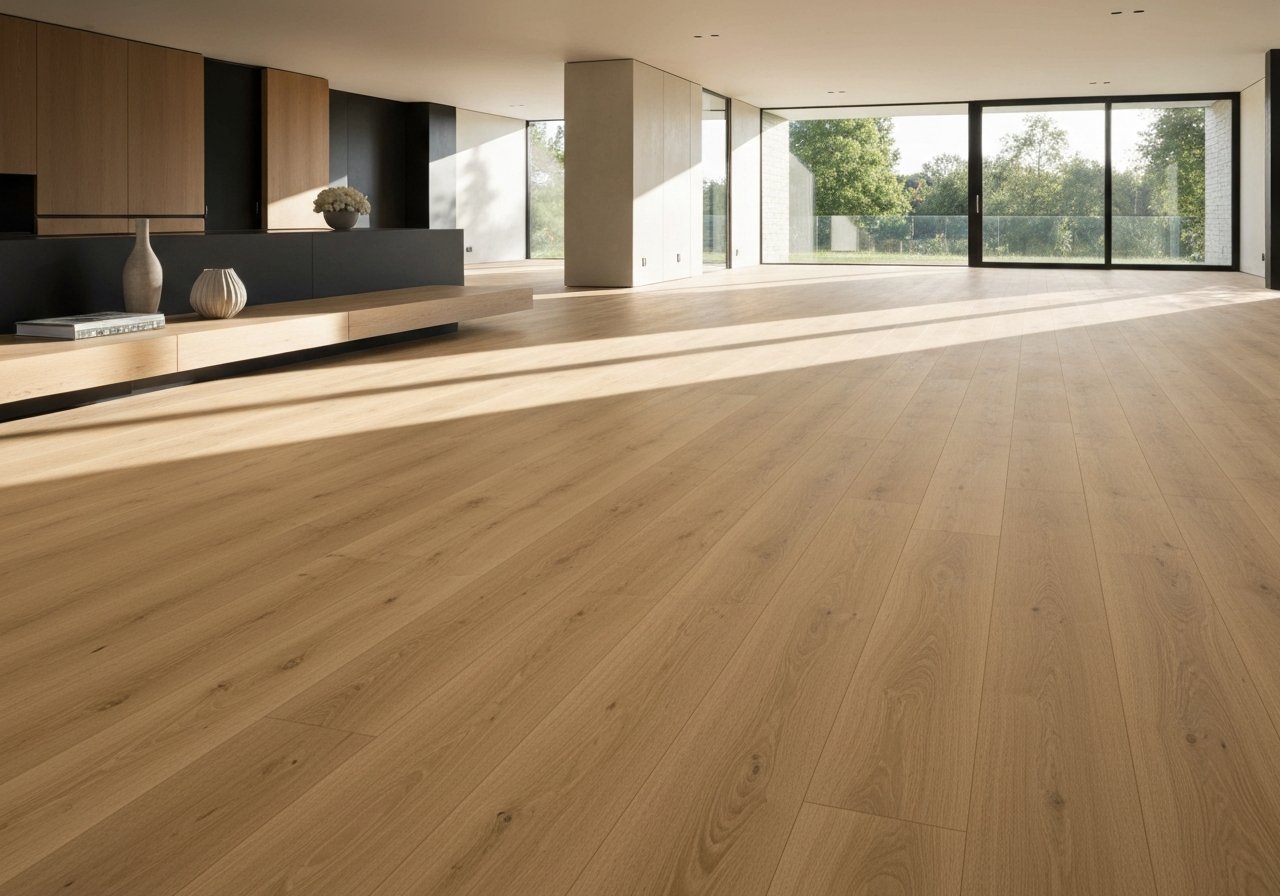
Buying flooring online or from a showroom shelf is easy; buying the right flooring takes a little more care. Specifications vary widely between products that look identical in photographs, and the difference between a floor that lasts twenty years and one that disappoints in two usually hides in the small print. This checklist walks through everything worth checking before you order Spc wood flooring: wear layer, thickness, locking system, underlay and warranty, and finishes with the simple care routine that keeps a good floor looking new.
Check One: Wear Layer Thickness
The wear layer is the transparent armour that takes every scratch, scuff and heel strike on behalf of the printed wood design beneath it. Measure your expectations by its thickness: 0.3 millimetres suits bedrooms and quieter homes, 0.5 millimetres is the wise choice for hallways, kitchens and houses with dogs, and 0.7 millimetres serves commercial spaces. A thicker wear layer also resists the dulling effect of grit for longer, so the floor keeps its sheen. If a listing hides this figure or quotes only a vague durability class, treat that as a warning sign and shop elsewhere.
Check Two: Thickness, Core and Locking System
Total plank thickness typically runs from four to eight millimetres. Thicker planks feel more solid, bridge minor subfloor unevenness better and produce a quieter, less hollow sound. Just as important is the locking profile: a well-engineered click joint pulls planks tightly together and resists separating under rolling loads, while a cheap profile can creep open at the ends. If you can, click two sample planks together and try to pull them apart by hand, then flex the joint. Quality makes itself obvious in seconds, and this simple test eliminates many disappointing products before money changes hands.
Check Three: Underlay and Subfloor Requirements
Many ranges include a pre-attached underlay, usually one to one and a half millimetres of foam or cork, which speeds installation and improves acoustics. Check whether the warranty allows that built-in layer alone or requires an additional vapour barrier over concrete, because a cheap roll of membrane is far less expensive than a dispute later. Measure your subfloor's flatness honestly; rigid planks forgive a lot, but dips beyond the stated tolerance cause flexing and clicking. When you order Spc wood flooring, add levelling compound and a moisture test to the basket if your subfloor is concrete or newly screeded.
Check Four: Pattern Repeat and Finish
Ask how many unique plank designs the range contains. Cheap products repeat four or five patterns, and once laid, the same knot appears every metre like wallpaper, the fastest way to make a floor look fake. Ten or more designs, ideally with embossing that follows the grain, keeps the illusion intact. Finish matters too: matt surfaces look most like oiled timber and hide micro-scratches better than gloss. Order full-size samples rather than swatches, live with them for a few days, and check them against your furniture, wall colours and both daylight and evening light before committing.
Check Five: Quantity, Batches and Warranty
Measure each room, add ten percent for cuts and mistakes, fifteen for herringbone, and round up to whole packs. Insist that every pack comes from the same production batch, because colour calibration shifts slightly between runs. Read the warranty properly: the headline figure may be twenty-five years, but check whether it covers bathrooms, commercial use and underfloor heating, and what it requires of your installation. Keep the paperwork, a note of the batch number and a spare pack of planks in storage; future-you, repairing a dropped-iron incident in year seven, will be extremely grateful for all three.
Everyday Care: The Ten-Minute Routine
Caring for the finished floor is refreshingly undemanding. Sweep or vacuum with a hard-floor setting a few times a week so grit never gets the chance to act like sandpaper. Damp mop with a well-wrung mop and a neutral floor cleaner; the floor is waterproof, but flooding any floor daily is poor practice. Wipe spills when you notice them, use felt pads under furniture, lift rather than drag heavy items, and place mats at entrances. Avoid steam cleaners unless the manufacturer explicitly approves them, and skip wax-based polishes, which only build up a dull film.
Dealing With Marks and Minor Damage
Most heel scuffs rub away with a soft cloth, and a melamine sponge lifts stubborn marks without chemicals. Fine scratches in the wear layer can be disguised with a manufacturer-approved repair pen matched to the plank tone. For genuine damage, a deep gouge or a burn, the click system is your friend: unclick the floor back from the nearest wall, replace the plank with one from your stored spare pack, and relock everything. The repair is invisible and takes under an hour, which is more than can be said for sanding and refinishing a damaged solid wood floor.
Buy Once, Buy Well
The pattern through every check is the same: specifications matter more than photographs. Spend a little more on wear layer and locking quality, prepare the subfloor properly, and keep a spare pack back. Do that, and your floor will repay you with a decade or two of looking like beautiful timber while asking for almost nothing in return, which is precisely the promise that made this material so popular.