Introduction
Flooring sets the tone for every room in a home, and few choices shape comfort quite like carpet. A soft, continuous surface underfoot changes how a space feels the moment you step into it, turning a bare room into a warm and inviting place to live. Among all the flooring options available today, wall to wall carpet remains one of the most popular choices for modern homes. It brings warmth, quiet, and a finished look that hard floors often struggle to match. Whether you are furnishing a new apartment or refreshing a family living room, wall to wall carpet offers a practical and beautiful foundation. This guide explains what it is, why homeowners love it, how to choose the right type, and how to keep it looking its best for years.
What Is Wall to Wall Carpet?
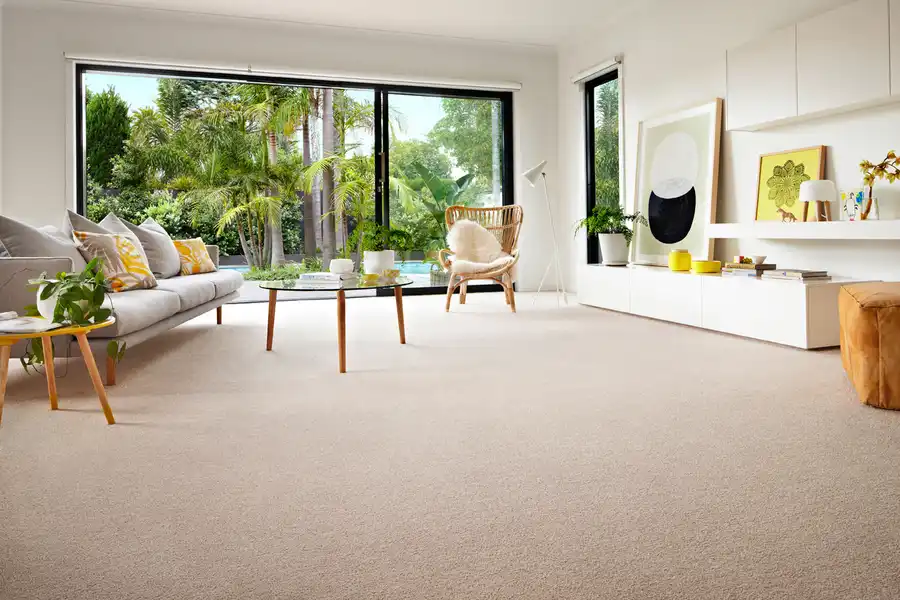
Wall to wall carpet is carpet that covers an entire room from one wall to the opposite wall, with no exposed subfloor in between. Unlike rugs or carpet tiles, it is installed as a single continuous surface, usually over a cushioned underlay that adds softness and insulation. The result is a seamless floor that feels even underfoot and gives the room a clean, unified appearance. It is available in a wide range of materials, pile heights, colours, and patterns, so it can suit almost any interior style, from a minimalist city apartment to a large family villa. Because it is fitted to the exact shape of the room, it works well in spaces with unusual layouts or built-in furniture, covering every corner neatly.
Why Homeowners Choose Wall to Wall Carpet
Comfort is the first reason most people choose carpet. It is soft to walk on, gentle on bare feet, and forgiving if a child takes a tumble while playing. In bedrooms, it makes the first step out of bed in the morning far more pleasant than cold tile or wood. Beyond comfort, carpet is an excellent sound absorber. It reduces footsteps, muffles voices, and cuts down the echo that hard floors can create in large open spaces, which matters a great deal in apartments. Carpet also adds warmth, both literally and visually. The fibres trap air and act as a layer of insulation, helping rooms feel warmer in winter and reducing heating costs.
Choosing the Right Material and Pile
Not all carpets are made the same, and the material you choose affects how the floor looks, feels, and lasts. Wool is the classic premium option: naturally soft, resilient, and good at hiding dirt, though it costs more than synthetic fibres. Nylon is the most popular modern choice because it is strong, stain resistant, and holds its shape well in busy areas such as hallways and living rooms. Polyester offers rich colour and a soft touch at a friendly price, making it a good option for bedrooms and low-traffic spaces. Triexta, a newer fibre, combines softness with excellent stain resistance, a good choice for homes with children or pets. Pile matters too. Cut pile feels plush and luxurious underfoot and suits bedrooms and formal living rooms. Loop pile is tighter and more durable, which makes it ideal for stairs and hallways. A good underlay is equally important, since it adds cushioning, extends the life of the carpet, and improves insulation.
Colours and Patterns for Modern Interiors
Colour is where wall to wall carpet really shows its range. Light neutrals such as ivory, soft beige, and pale grey remain the most popular choices for modern homes because they make rooms feel larger and brighter, and they pair easily with any furniture or wall colour. If you want a bolder look, deep tones such as charcoal, navy, or forest green can add drama and warmth to a large room, especially when balanced with lighter walls and furniture. Patterned carpets, from subtle textures to gentle geometric designs, are also making a comeback, adding character without overwhelming a space. When choosing a colour, think about the room’s light and how it will be used. A sunny room can handle a cooler tone, while a north-facing room benefits from a warm shade. Families with young children or pets may prefer a mid-tone or flecked design, which hides everyday marks far better than a plain pale carpet.
Installation and Maintenance Tips
Professional installation makes a real difference to how wall to wall carpet performs. A skilled fitter measures the room carefully, cuts the carpet to fit around door frames and fixtures, and stretches it tightly so it lies flat without ripples or bubbles. The underlay is laid first, then the carpet is secured with gripper rods around the edges and trimmed neatly for a clean finish. Once installed, regular care keeps the carpet looking fresh. Vacuum twice a week in busy rooms, using a rotating-brush cleaner to lift dirt from deep in the fibres. Deal with spills by blotting, never rubbing, with a clean cloth and a mild cleaning solution. A professional deep clean once or twice a year removes ground-in dirt and helps the carpet keep its colour and texture. With this level of care, a good quality carpet can look beautiful for ten years or more.
Conclusion
Wall to wall carpet continues to earn its place in modern homes because it delivers something few other floors can: genuine comfort, quiet, and warmth in one continuous surface. From the softness underfoot in the morning to the way it hushes a busy household, it turns a house into a home. Choosing the right material, pile, and colour for each room, and having it fitted professionally, ensures the investment pays off for many years. If you are planning a refresh and want a floor that feels as good as it looks, wall to wall carpet is a choice worth serious consideration. Take the time to compare samples in your own light and pick a quality option that suits your lifestyle. Done well, it will reward you every single day with a home that feels softer, quieter, and more welcoming.