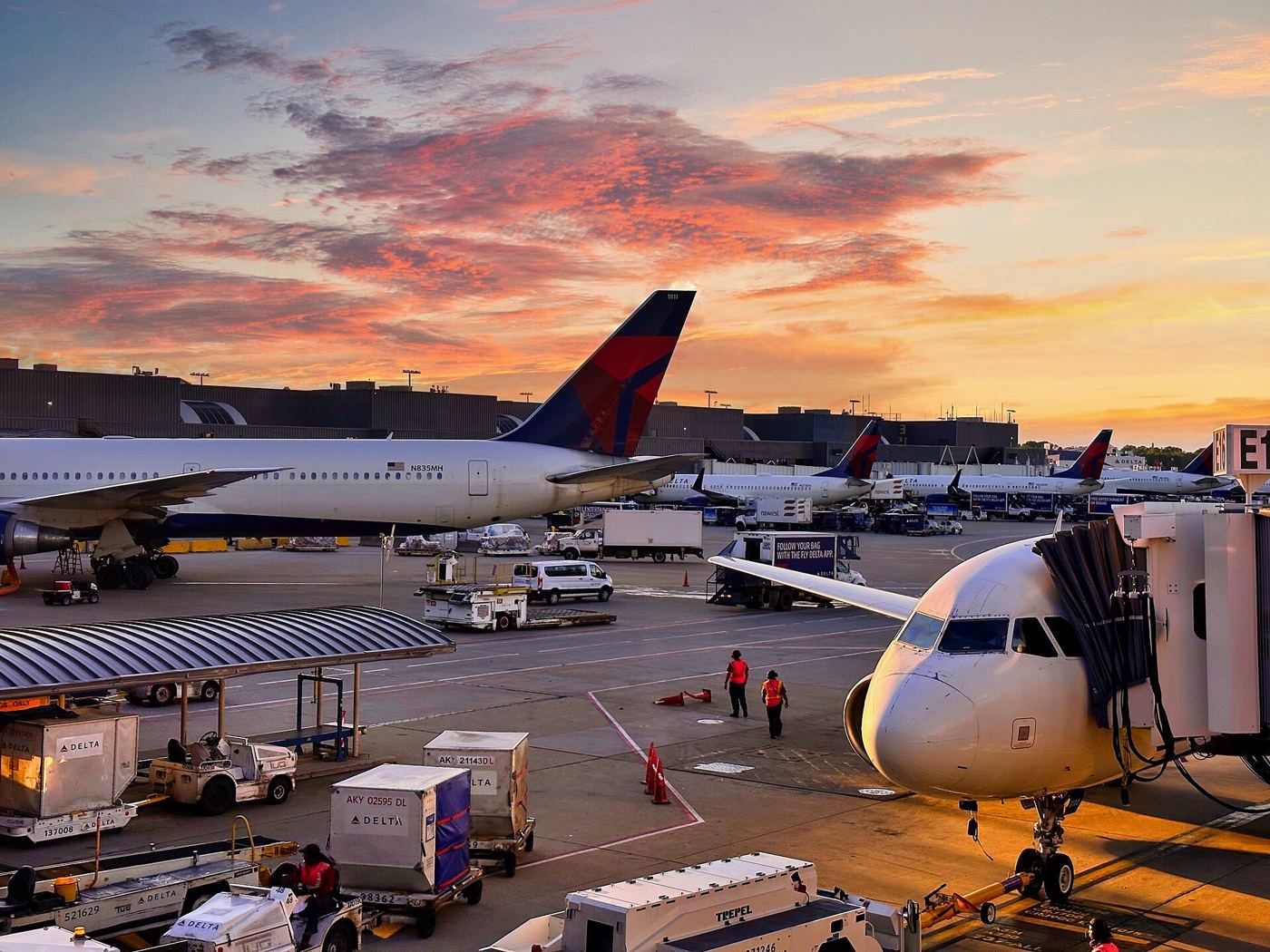
A failure in Delta Air Lines’ automated weight and balance system delayed around 2,000 flights across the United States on Sunday 22 November 2026, disrupting travel at the start of the busy Thanksgiving week. The system calculates how baggage and cargo should be loaded so that each aircraft stays within safe weight limits, and when it stopped working on Sunday morning, ground crews were forced to count bags by hand and complete the sums manually. The Federal Aviation Administration briefly stopped some flights heading for Hartsfield-Jackson Atlanta International Airport, Delta’s main hub and the busiest airport in the world, before easing the stop to a delay of about an hour. By Sunday evening, more than half of Delta’s flights had been delayed, according to the flight tracking service FlightAware.
What the Evidence Shows
Delta said its teams were using manual workarounds to get flights away safely while engineers worked to restore the automation, and by about 3.30 in the afternoon the system was working again. The airline said about 70 per cent of the delays were caused by the failure, with the rest blamed on bad weather in the north-east of the country. The disruption came little more than a week after a separate technology failure forced a nationwide ground stop that stranded tens of thousands of travellers. More than four million people are expected to pass through the Atlanta hub between 19 November and 1 December. Delta said the problem was not a cyberattack, and the aviation regulator confirmed its own air traffic systems were not involved. Reporting and analysis from sources such as BBC News track the same developments, and specialists following the Delta weight and balance system failure say the direction is now consistent across independent lines of evidence.
The Wider Context
The wider context is a public conversation conducted at a speed institutions were not built for. Developments around the Delta weight and balance system failure are announced, contested and revised within a single news cycle, and the officials involved have learned to publish evidence alongside claims so that scrutiny can actually occur. Trust, the polling suggests, follows that transparency more than it follows confidence.
What Happens Next
What happens next in the story of the Delta weight and balance system failure will be decided in the places where it is being implemented, measured and argued about in public. The officials and organisations involved have committed to publishing progress data, and that commitment gives residents, businesses and journalists something firmer than promises to judge. The next milestones are dated, which means they can be checked. You can follow related developments in our coverage of news.
None of this will be settled by a single announcement, study or product launch. The pattern to watch is accumulation: independent confirmations, honest reporting of failures and steady improvement in the underlying numbers. Readers who follow those signals, rather than the loudest claim of the week, will understand this subject better than most of the commentary surrounding it suggests is possible.