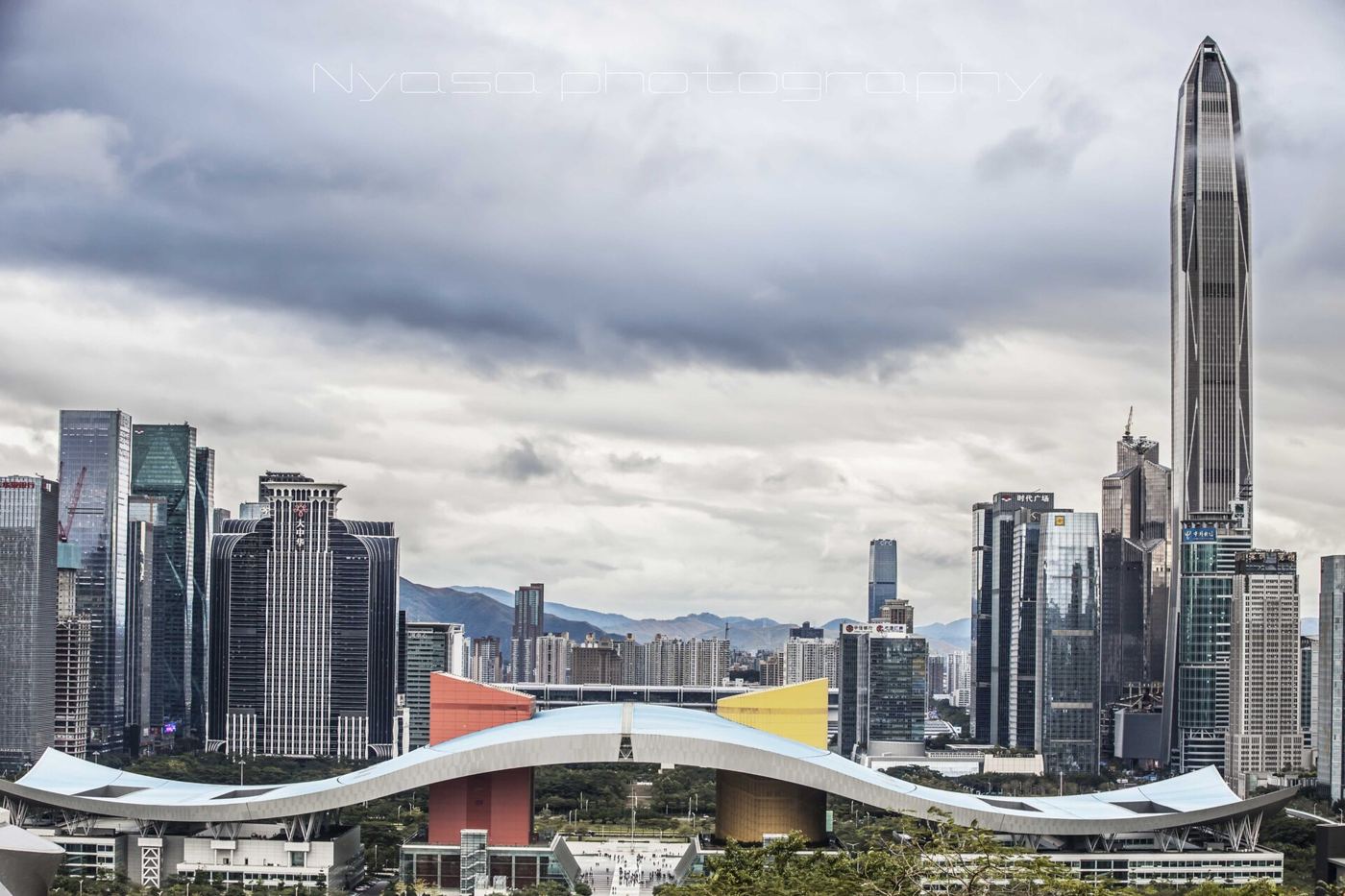
China has confirmed that the first ever trilateral summit between the United States, China and Russia will take place on November 19 in Shenzhen, bringing together President Donald Trump, President Xi Jinping and President Vladimir Putin in one room for the first time. The announcement ends weeks of speculation about whether the three leaders would meet jointly, and it places the southern Chinese technology hub at the centre of world diplomacy. Officials in Beijing described the gathering as an opportunity to discuss the most pressing questions facing the three nuclear-armed powers, including strategic stability, trade tensions and the war in Ukraine. The three leaders have not sat down together before, and the meeting is expected to focus first on reducing the risk of miscalculation between their armed forces, with trade and regional conflicts also on the table.
What the Evidence Shows
The meeting comes at a moment of sharp tension on several fronts. Russia and Ukraine have intensified attacks on critical infrastructure, with Ukrainian strikes damaging the bridge linking Russia to Crimea, while reports of possible Iranian action have raised security concerns in Washington. Diplomats say the Shenzhen talks are unlikely to produce a detailed agreement, but even a direct conversation between the three leaders would mark a significant shift after years in which communication between them ran mostly through separate bilateral channels. Analysts will be watching closely for any joint statement on nuclear restraint or trade. Trade officials are also watching the summit for any sign of relief in tariffs and export controls, which have disrupted supply chains in all three countries, while smaller nations will look for reassurance that great-power rivalry does not leave them squeezed. Reporting and analysis from sources such as BBC News track the same developments, and specialists following the first trilateral summit of the United States, China and Russia say the direction is now consistent across independent lines of evidence.
The Wider Context
The wider context is a public conversation conducted at a speed institutions were not built for. Developments around the first trilateral summit of the United States, China and Russia are announced, contested and revised within a single news cycle, and the officials involved have learned to publish evidence alongside claims so that scrutiny can actually occur. Trust, the polling suggests, follows that transparency more than it follows confidence.
What Happens Next
What happens next in the story of the first trilateral summit of the United States, China and Russia will be decided in the places where it is being implemented, measured and argued about in public. The officials and organisations involved have committed to publishing progress data, and that commitment gives residents, businesses and journalists something firmer than promises to judge. The next milestones are dated, which means they can be checked. You can follow related developments in our coverage of news.
None of this will be settled by a single announcement, study or product launch. The pattern to watch is accumulation: independent confirmations, honest reporting of failures and steady improvement in the underlying numbers. Readers who follow those signals, rather than the loudest claim of the week, will understand this subject better than most of the commentary surrounding it suggests is possible.