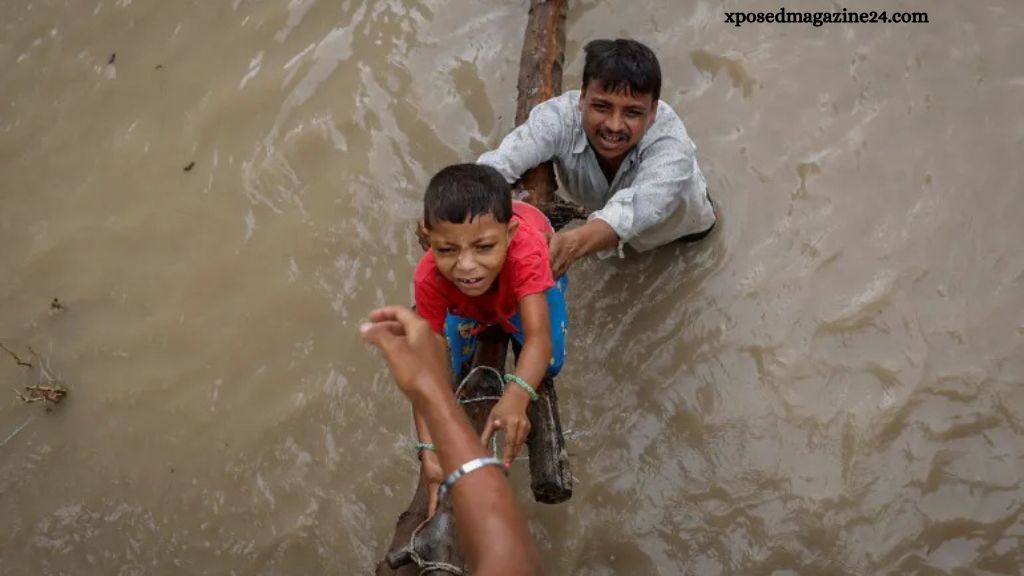
India’s capital, New Delhi, is facing a severe drinking water shortage after heavy rainfall caused the Yamuna River to overflow, flooding key water treatment plants. As the water levels reached their highest point in 45 years, three major treatment facilities were submerged, significantly reducing the city’s water supply.
With over 20 million residents, the capital is grappling with a quarter of its water supply cut off, leaving thousands without access to clean drinking water. The ongoing crisis has forced local authorities to focus on emergency relief efforts while working to restore the plants as soon as the floodwaters recede.
Read More: India Joins Clean Energy Superpowers with Over 200 GW Capacity
The Unprecedented Downpour: Causes and Consequences
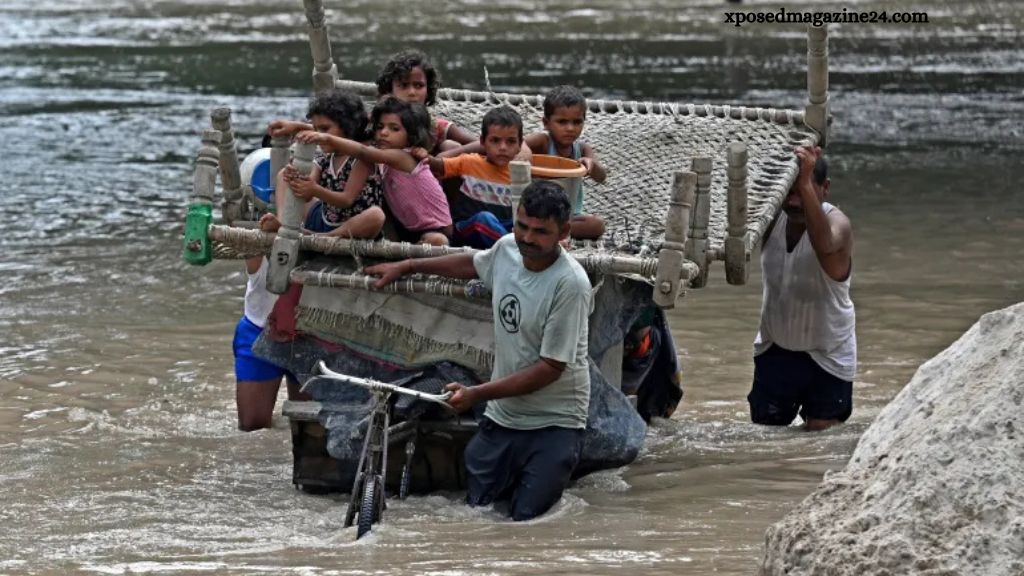
Heavy rainfall in neighboring states, particularly Haryana and Punjab, has led to a surge in the Yamuna’s water levels. Since the onset of the monsoon season in June 2023, northern Indian states have seen record rainfall. New Delhi, in particular, recorded 112% more rainfall than the average, exacerbating the already dire situation. As a result, the Yamuna River overflowed, flooding several low-lying areas of the city and severely affecting water supply and infrastructure.
Flooding in New Delhi: Areas Affected
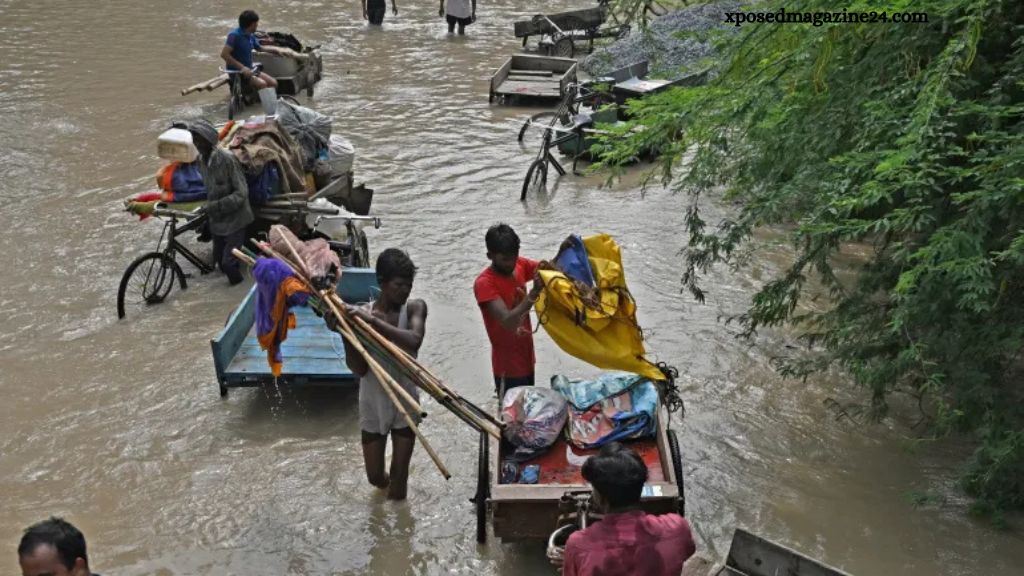
Parts of New Delhi have been submerged, with entire neighborhoods being cut off from essential services. The city’s water supply has also taken a hit, as three water treatment plants were inundated, reducing drinking water availability by a quarter. In addition to flooding, power outages and damage to roads have made transportation and rescue operations challenging.
Emergency Response and Evacuations
The Delhi government, led by Chief Minister Arvind Kejriwal, has been actively coordinating emergency responses. Water barriers have been set up in residential areas, including the posh Civil Lines, where top officials live, in an attempt to protect them from the rising river. Kejriwal urged citizens to remain calm and cooperate with authorities as evacuation efforts are underway in the worst-hit areas.
Shelter and Relief Camps
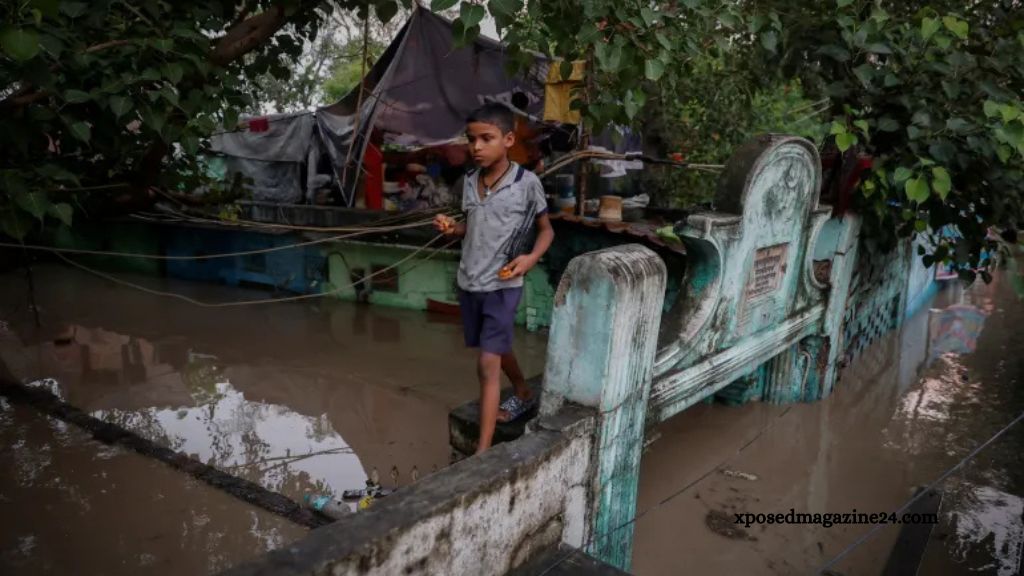
In response to the crisis, thousands of displaced residents have sought shelter in relief camps set up across the city. These camps provide food, medical supplies, and necessities for those forced to flee their homes. Local authorities have been working tirelessly to provide assistance and ensure the safety of residents.
Impact Beyond Delhi: The Larger Crisis
While New Delhi struggles with the aftermath of flooding, neighboring states like Himachal Pradesh and Uttarakhand have also been severely affected by flash floods and landslides. Over 88 lives have been lost in Himachal Pradesh, and at least 12 people have died in Uttarakhand. In Himachal, entire villages have been washed away, and foreign travelers, including tourists from Russia and Malaysia, have been stranded in popular tourist destinations.
The Kedarnath pilgrimage, an essential religious journey for Hindus, has also been suspended due to the hazardous conditions.
Frequently Asked Questions
What caused the flooding in New Delhi?
The unprecedented rainfall in nearby northern states like Punjab and Haryana caused a surge in the Yamuna River, which overflowed and caused extensive flooding in New Delhi.
How has the flooding affected the water supply in Delhi?
The flooding has submerged three key water treatment plants, reducing Delhi’s water supply by a quarter for two days.
What are the government’s actions to combat the flooding?
The government has set up flood barriers, evacuated affected areas, and established relief camps for displaced people. Authorities have also prioritized saving lives.
How many people have died due to the floods in northern India?
At least 88 people have died in Himachal Pradesh and 12 in Uttarakhand, with many others injured or displaced.
Conclusion
The ongoing flooding caused by the rising Yamuna River is a stark reminder of the devastating effects of extreme weather conditions exacerbated by climate change. As Delhi struggles with the immediate aftermath, the government and citizens are focused on recovery, with efforts to restore essential services and provide shelter to displaced residents.
This disaster highlights the urgent need for better flood management systems and preparedness, especially in cities like New Delhi, where millions of people are vulnerable to such natural calamities. The situation remains fluid, and authorities are closely monitoring the river’s behavior as the monsoon season continues.