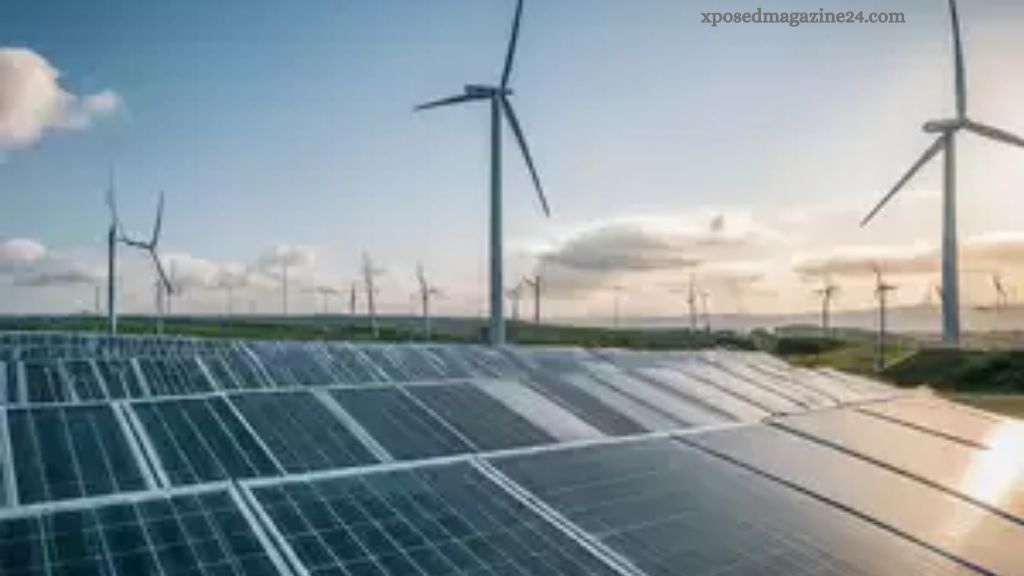
India is rapidly emerging as a clean energy superpower, with its renewable energy sector making significant strides. From barren landscapes now covered with solar panels to coastlines dotted with giant windmills, the country is set to lead the global transition towards renewable energy.
The nation’s installed clean energy capacity has surpassed 200 gigawatts (GW), and projections indicate investments will soar to over USD 32 billion by 2025. With primary goals ahead, India is not just tackling climate change but also making substantial strides toward energy security and economic growth.
Read More: Green Hydrogen and Other Emerging Technologies
India’s Renewable Energy Milestones
India’s renewable energy sector has achieved remarkable milestones, reflecting its growing commitment to sustainable energy. The country has added 24.72 GW of renewable energy capacity in 2024 alone, nearly doubling its addition from the previous year. This growth includes a robust increase in solar power (20.85 GW), wind power (3.22 GW), and smaller contributions from bio-power and hydropower. Renewable energy now accounts for over 86% of the total installed power generation capacity in the country.
With such rapid advancements, India’s clean energy capacity is projected to exceed 500 GW by 2030. To meet this goal, the country aims to add 50 GW annually, contributing to a more sustainable future.
Investments Set to Soar in 2025
India’s clean energy sector is attracting large-scale investments, with a projected USD 32 billion expected in 2025 alone. This surge in funding is crucial for achieving India’s renewable energy targets and scaling up infrastructure. As the country strives to decarbonize its energy sector, domestic solar and wind turbine manufacturing will play a critical role in meeting future energy demands.
The focus is not only on meeting energy targets but also on ensuring that the necessary infrastructure, policies, and innovations are in place to support a clean energy future. The Indian government has been working to implement measures such as the Green Hydrogen Certification Scheme and increasing support for renewable energy manufacturers.
Green Hydrogen and Other Emerging Technologies
In addition to solar and wind energy, India is heavily investing in emerging technologies like green hydrogen. The Green Hydrogen sector is seen as a key driver for decarbonization in industries that are hard to electrify, such as steel production and transportation. India aims to award pilot projects in sectors like steel and transport and develop green hydrogen standards and infrastructure to facilitate its use.
While challenges remain, including the need for more efficient storage, transportation, and demand identification, experts are optimistic about the role of green hydrogen in the country’s renewable energy future.
Key Challenges Ahead
Despite these accomplishments, India faces several challenges in its pursuit of clean energy dominance:
Grid Infrastructure: The country must significantly upgrade its grid infrastructure to accommodate 100 GW of renewable energy from states like Rajasthan, Madhya Pradesh, and Gujarat. The government’s national electricity plan calls for massive investments in transmission infrastructure by 2030.
Green Hydrogen Development: Scaling up green hydrogen production and storage is a major hurdle. High production and infrastructure costs mean that subsidies and significant R&D investment are needed to make green hydrogen commercially viable.
Policy and Regulatory Frameworks: A robust and consistent policy framework is crucial to reduce costs, encourage domestic manufacturing, and streamline the deployment of renewable energy projects.
Private Sector Participation: As India’s renewable energy sector continues to grow, ensuring that private sector players are adequately involved will be key. Expedited project approvals and the establishment of transparent regulatory frameworks will help attract more investments.
Frequently Asked Questions
What is India’s current renewable energy capacity?
India’s renewable energy capacity exceeds 200 GW, with solar and wind power being the leading contributors.
What are India’s goals for renewable energy by 2030?
India aims to reach 500 GW of renewable energy capacity by 2030, with a focus on adding 50 GW annually.
What role does green hydrogen play in India’s energy future?
Green hydrogen is seen as a key technology for decarbonizing industries that are difficult to electrify, like steel and transport, and India is set to invest in its development.
What are the main challenges for India’s renewable energy sector?
Key challenges include upgrading grid infrastructure, scaling green hydrogen production, ensuring policy consistency, and facilitating private sector participation.
How will investments in India’s renewable energy sector grow in 2025?
Investments in India’s renewable energy sector are expected to double to over USD 32 billion in 2025, helping to accelerate progress toward India’s clean energy targets.
Conclusion
India’s renewable energy sector is at a pivotal moment. With over 200 GW of installed capacity and ambitious goals for the future, the country is set to become a clean energy superpower. The government’s strong focus on solar, wind, and green hydrogen, coupled with massive investments and strategic partnerships, will drive India’s clean energy revolution.
While challenges remain, the outlook for India’s energy transition is auspicious, with significant economic and environmental benefits on the horizon. As the world increasingly looks towards sustainability, India is positioning itself as a leading force in the global push for a cleaner, greener future.