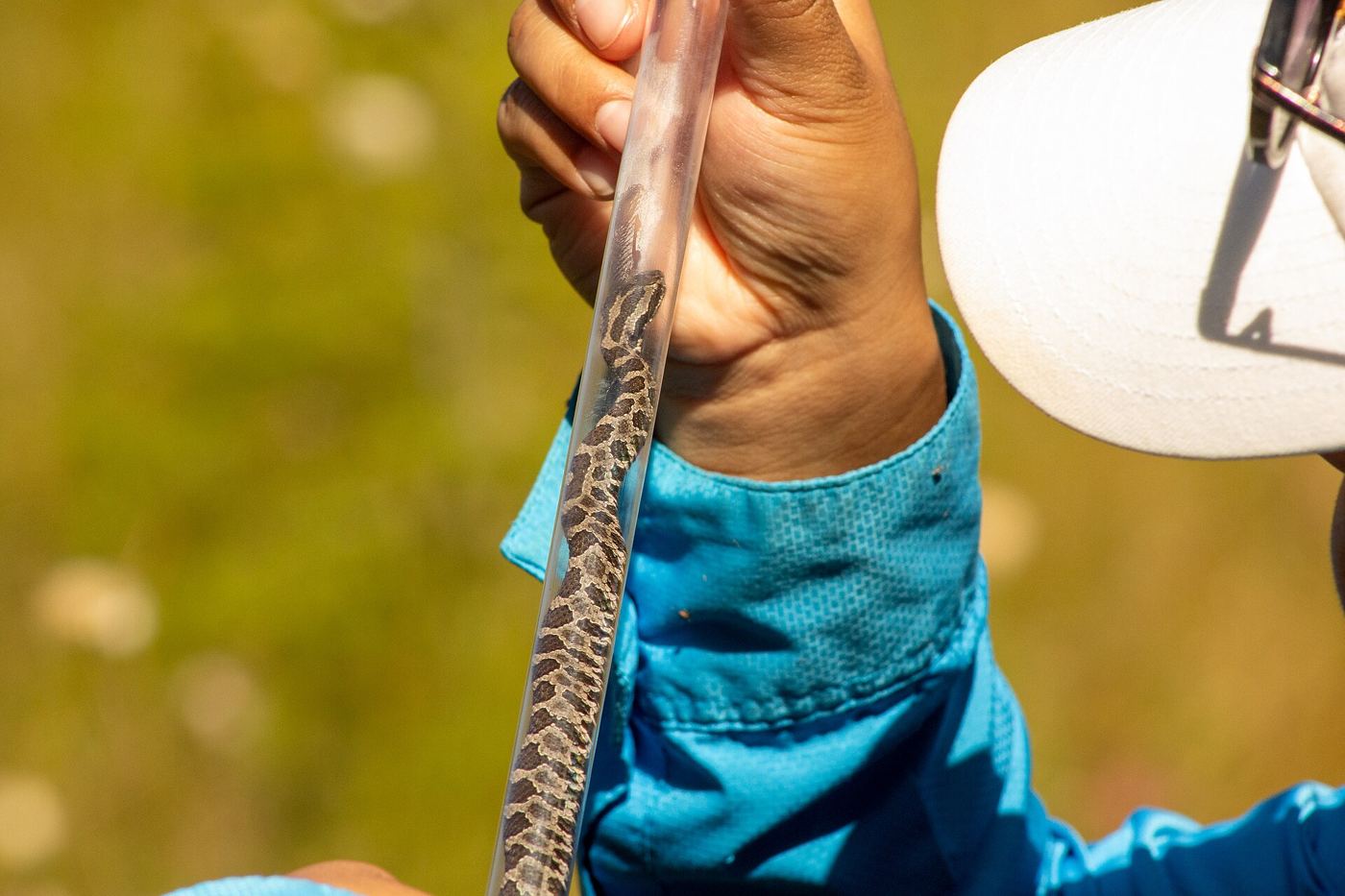
Every year, scientists formally describe thousands of species that are new to science, from frogs in cloud forests to deep-sea worms, fungi, insects and flowering plants. The work is done by taxonomists, specialists who compare specimens, study DNA, examine anatomy under microscopes and check museum collections to confirm that a creature has never been named before. Many discoveries come from places that are hard to reach, such as mountain peaks, caves and ocean trenches, while others are found in museum drawers, where a specimen collected decades ago turns out to be a separate species once its DNA is tested. The pace is remarkable: in a single year, researchers may name hundreds of new frogs, fishes, beetles and plants, and a few new mammals and birds. Each description gives the species a scientific name, a place in the tree of life, and a formal record that other scientists can use. Some are discovered in the wild, while others are recognised only after careful study in a museum.
What the Evidence Shows
The discovery rate is both encouraging and worrying. It shows how much life remains unknown, especially among insects, fungi and deep-sea animals, where most species may still be unnamed. It also shows how much is at stake, because many new species are found in small, threatened habitats, and some may disappear before they are ever studied. Taxonomy is a slow, skilled craft that needs funding, training and museum collections, and scientists warn that the number of experts is shrinking just as the need grows. New tools help: DNA sequencing can separate lookalike species, and photographs and sound recordings shared online let researchers spot unusual animals far from their laboratories. But the core work remains the same, a careful comparison of one organism with all its relatives. Every new name is a small addition to humanity’s map of life, and a reminder of how incomplete that map still is. Protecting the places where new species are found is as important as naming them. Reporting and analysis from sources such as National Science Foundation track the same developments, and specialists following new species described say the direction is now consistent across independent lines of evidence.
The Wider Context
The wider context is a research landscape in which replication and open data now decide reputations. Findings connected to new species described are being checked by independent groups with shared datasets, and the teams involved publish their methods in full so rivals can test every step. That discipline is slower than a headline cycle, but it is why results in this area increasingly survive first contact with scrutiny.
What Happens Next
What happens next in the story of new species described will be decided by follow-up work already under way: larger samples, longer observation and instruments that have not yet come online. The researchers involved are unusually united on one point, that the current results justify the next investment of time and money. Readers will not have to wait long for the first tests of that claim. You can follow related developments in our coverage of science.
There is a practical lesson in all of this for readers deciding what to do today. Start with the verified facts, be wary of anyone promising certainty, and prefer reversible steps while the evidence is still developing. Circumstances differ by country, income and personal situation, so general guidance should always be weighed against your own context before you act on it in any significant or lasting way.