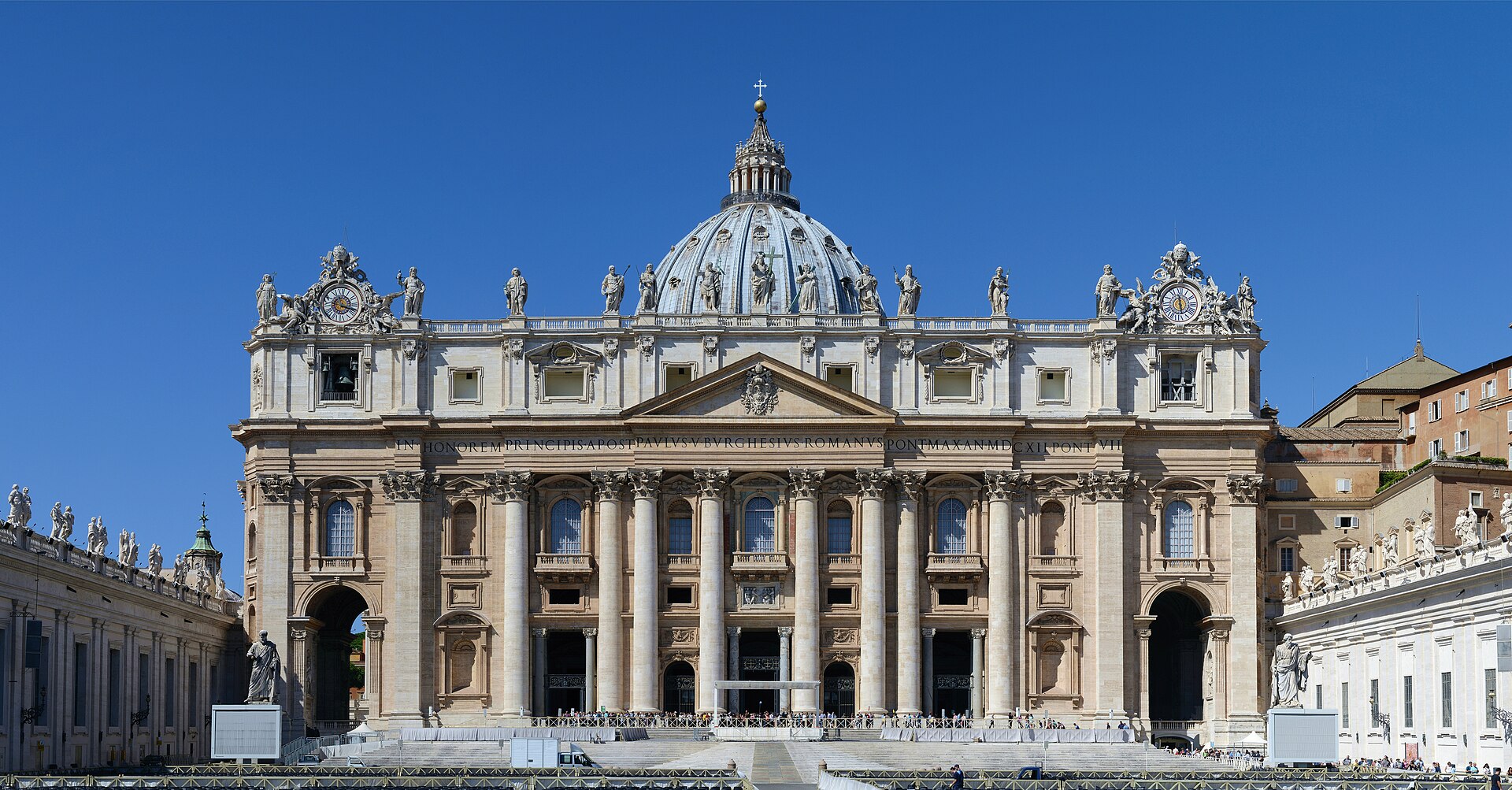
Pope Leo XIV has made a small piece of democratic history, becoming the first pope ever to vote in an American election. The Chicago-born pontiff cast a mail-in ballot for the Illinois midterm elections, exercising a right he has held since long before his election to the papacy, and one that Vatican officials confirmed he was entitled to use as a US citizen.
A Chicagoan on the Throne of St Peter
Leo XIV’s American roots have fascinated the United States since his election. Born and raised in Chicago, he retains US citizenship alongside his role as head of the Roman Catholic Church and sovereign of Vatican City. Illinois election law allows citizens living abroad to vote by mail, and the pope’s ballot was cast for races in his home state, including congressional contests that will help decide control of the House of Representatives.
Vatican spokesmen were careful to note that the act was personal rather than political. The ballot was not accompanied by any endorsement, statement or guidance to American Catholics, a distinction the Holy See was keen to preserve given the Church’s formal neutrality in partisan contests.
Why Pope Leo XIV’s Vote Resonates
The image of a pope quietly filling in a mail ballot landed in an American debate already preoccupied with mail voting, turnout and trust in elections. Civic groups seized on the news as a reminder that voting from abroad is a routine, legal feature of US democracy used by millions of citizens, from military families to students and diplomats.
It also underlines a recurring theme of this election season. As our analysis of the turnout puzzle argued, participation often hinges on whether people believe the ritual matters; when the world’s most visible religious leader treats a midterm ballot as worth casting from across an ocean, it sends a certain message about the ritual’s worth.
A Delicate Balance for the Vatican
The Holy See must weigh the pope’s private citizenship against the risk that any act is read as intervention. American bishops have historically guarded their independence, and Vatican diplomats know that even a neutral ballot can be weaponised in a polarised media environment. So far, reaction in the United States has been more amused than alarmed, with Chicagoans claiming bragging rights.
Still, the precedent now exists, and future American-born popes, should there be any, will inherit the question. For the broader picture of an unusually colourful midterm season, readers can scan the latest political headlines for how the story is playing alongside the races themselves.
A single ballot will not change a single race, and the Vatican insists that was never the point. But symbolism travels fast in politics. The first pope to vote in an American election did so quietly, by mail, from the smallest state on earth, and in doing so reminded two countries that citizenship and faith can occupy the same life without cancelling each other out.