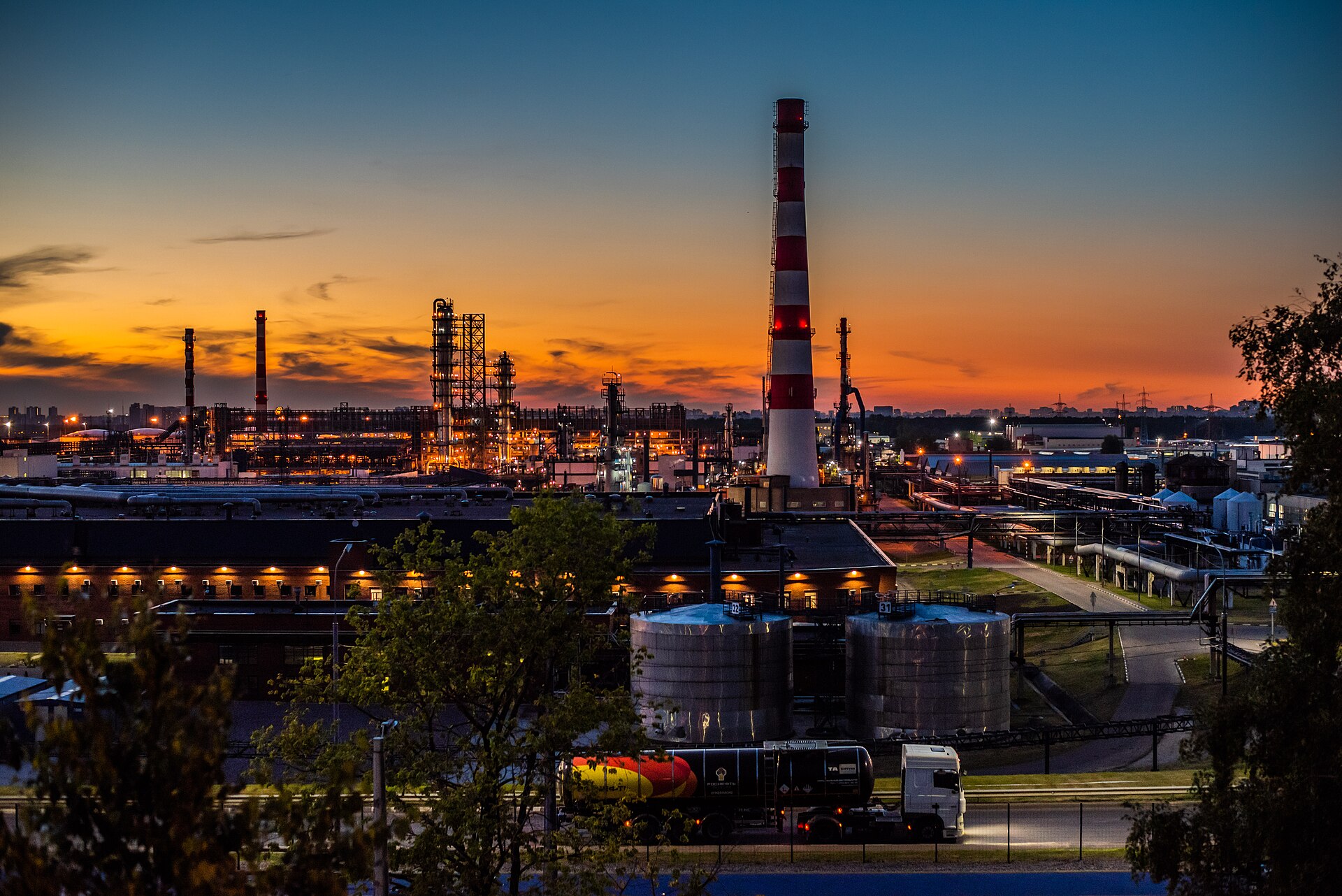
America’s two oil giants delivered a reminder on Friday that old energy still prints money. Exxon and Chevron both reported third-quarter earnings ahead of expectations, powered by robust production and refining margins, and Exxon went further by announcing a $20 billion share buyback programme for 2027. Their results stood in sharp contrast to the turmoil in technology shares on the same morning.
Exxon and Chevron Numbers That Cleared the Bar
Exxon reported earnings excluding identified items of about $17.5 billion, or $4.23 a share, helped by strong output from its Permian Basin and Guyana operations. Chevron posted adjusted earnings of $5.28 a share, comfortably ahead of the roughly $4.78 analysts had pencilled in, alongside around $12 billion of free cash flow and record US refinery throughput. Both stocks rose in pre-market trading even as the wider market fell.
The performance caps a quarter in which crude prices stayed elevated on supply risks in the Strait of Hormuz, rewarding producers with disciplined spending. Unlike the shale boom years, when output growth swallowed cash, both companies prioritised returns, dividends and balance-sheet strength, a formula shareholders have rewarded consistently.
Capital Discipline Is the Strategy
Exxon’s buyback announcement is the clearest signal of that philosophy. Returning $20 billion to shareholders in a single year would have been unthinkable during the industry’s debt-fuelled expansion era. Executives argue that scale, low-cost barrels and integrated refining give them resilience across the price cycle, and that investors should value oil majors as cash machines rather than growth stocks.
There is a strategic hedge embedded in the results, too. Both companies continue to invest in lower-carbon ventures, from carbon capture to lithium, but at a pace their cash flows can comfortably fund. In a week when markets punished technology firms for spending too aggressively, the oil majors’ restraint looked like a virtue, a theme running through our latest news coverage of this earnings season.
Risks on the Horizon
The industry’s good fortune is hostage to geopolitics. Prices above $115 a barrel reflect fears about Hormuz shipping; a diplomatic breakthrough could deflate them quickly, while an escalation could invite demand destruction and political pressure over windfall profits. OPEC discipline, Chinese demand and the pace of the energy transition all remain live variables for 2027 planning.
For now, though, energy is the earnings season’s reliable engine. Readers can compare the oil majors’ reports with the rest of Friday’s crowded calendar in the earnings preview and results roundup, which sets out how drugmakers and consumer companies performed alongside the energy giants.
Exxon and Chevron will not win the market’s imagination the way artificial intelligence has, but they are winning its respect. In a season defined by anxiety over spending, the oil majors offered the opposite proposition: modest ambitions, enormous cash flow and cheques written back to shareholders. On a day when tech stumbled, that was enough to shine.