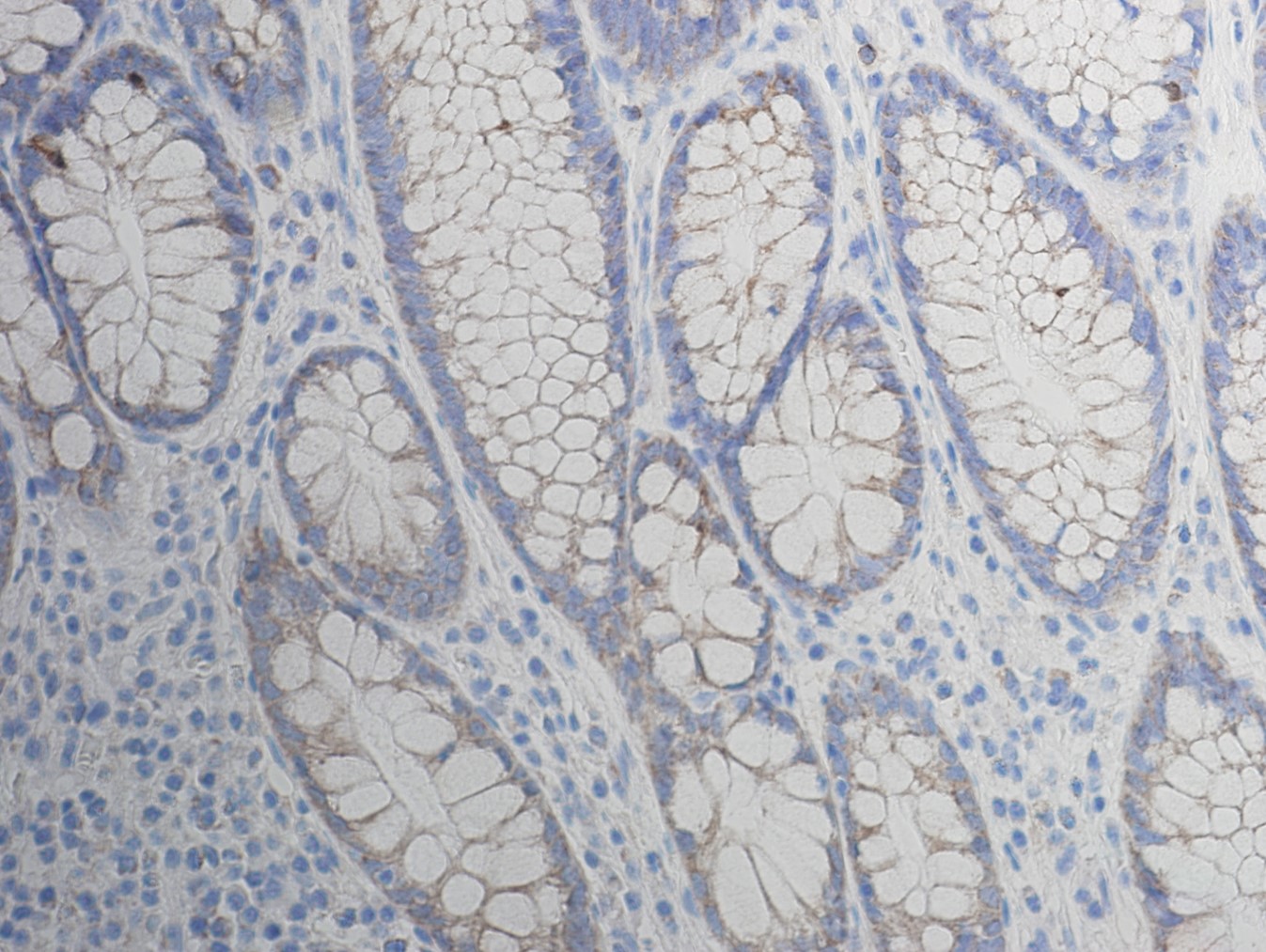
Colorectal cancer was once considered a disease of older age, but diagnoses in people under 50 have been climbing for years, and the tumours in younger patients often behave more aggressively. A new colorectal tumour atlas, built from single-cell analysis of 189 tumours and highlighted in today’s top health research roundup, offers the clearest map yet of why that might be, charting how the cellular makeup of these cancers differs from those found in older patients.
Inside the Colorectal Tumour Atlas: Mapping Cancer Cell by Cell
Single-cell analysis lets researchers catalogue the distinct cell populations inside a tumour rather than treating it as one uniform mass. Applying it to 189 samples gave the team a reference atlas spanning tumour cells, immune cells and the supporting tissue around them. In younger patients, the atlas revealed patterns consistent with faster growth and a microenvironment less responsive to immune attack — two features that help explain poorer outcomes and weaker responses to standard treatment in early-onset disease.
Why Early-Onset Disease Behaves Differently
The distinction matters because younger patients are frequently diagnosed late: symptoms are often attributed to diet, stress or haemorrhoids, and screening programmes historically began at 50. By the time many early-onset cancers are found, they are already advanced. The atlas suggests biology compounds the delay. Certain cell states enriched in younger patients’ tumours are associated with resistance pathways, which could mean therapies chosen for the average older patient are not always the right first move for a 35-year-old. Similar personalisation questions are driving work elsewhere in oncology, including the first trial of a tailor-made ovarian cancer vaccine.
From Atlas to Treatment
Atlases are infrastructure, not cures, but they change what researchers can test. With the cellular map public, drug developers can screen candidates against the exact cell populations that dominate aggressive early-onset tumours, and clinicians can look for biomarkers that flag high-risk disease earlier. The team behind the work argues the findings strengthen the case for lowering screening ages further and for trials that enrol younger patients as a distinct group rather than a statistical afterthought.
Patient advocates have cautiously welcomed the work, noting that younger patients often report feeling invisible in a system designed around older demographics. Dedicated early-onset clinics have begun appearing at major cancer centres, combining genetic testing, fertility counselling and trials access in one pathway. Researchers say the atlas gives those clinics a biological reference point they previously lacked, helping match newly diagnosed patients to studies that reflect their tumour’s actual behaviour.
For the growing number of families facing this disease decades earlier than expected, the study offers something concrete: an explanation grounded in the tumour’s own biology, and a research agenda aimed squarely at the patients the old playbook served worst.