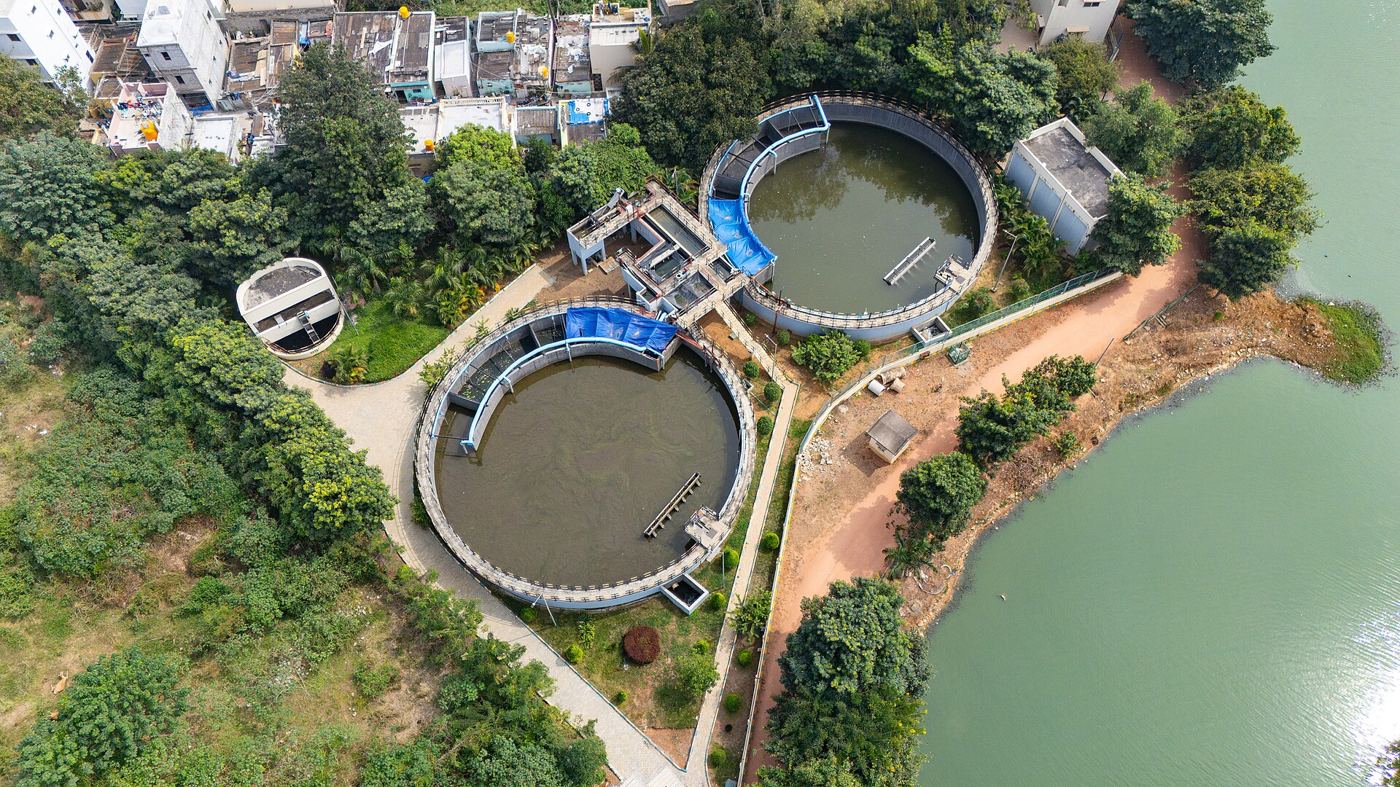
Researchers at Ohio State University are asking a broader question about wastewater: might the bacterial communities in sewage offer clues about chronic disease patterns and social conditions across entire cities? The team examined 27 samples from nine wastewater treatment plants serving eight Ohio cities in 2022, representing communities with more than 1.3 million residents. Wastewater surveillance became familiar during the pandemic, when it was used to track COVID-19, but this study goes further, looking at whether the everyday bacteria in sewage reflect the long-term health of the people who produced it. If the link holds, a city’s sewage could become a cheap, anonymous window into population health.
What the Evidence Shows
The idea is powerful because it avoids the cost and privacy problems of testing individuals. Sewage samples are already collected, they cover whole communities, and they cannot identify any single person. Researchers hope the bacterial signatures could reveal differences in diet, disease and living conditions between neighbourhoods, helping public health officials target resources where they are needed most. The work is still early: the team must show that the patterns are stable, meaningful and not explained by other factors such as industry or weather. But if wastewater can speak for a city’s health, it would give officials a new tool for watching over communities that rarely get studied in detail. City officials could also use the method to track whether health programmes are working, since changes in the bacterial patterns over time might show whether a new clinic, food initiative or housing project is actually improving the health of the community it was designed to serve. Reporting and analysis from sources such as National Science Foundation track the same developments, and specialists following sewage bacteria revealing hidden city health patterns say the direction is now consistent across independent lines of evidence.
The Wider Context
The wider context is a research landscape in which replication and open data now decide reputations. Findings connected to sewage bacteria revealing hidden city health patterns are being checked by independent groups with shared datasets, and the teams involved publish their methods in full so rivals can test every step. That discipline is slower than a headline cycle, but it is why results in this area increasingly survive first contact with scrutiny.
What Happens Next
What happens next in the story of sewage bacteria revealing hidden city health patterns will be decided by follow-up work already under way: larger samples, longer observation and instruments that have not yet come online. The researchers involved are unusually united on one point, that the current results justify the next investment of time and money. Readers will not have to wait long for the first tests of that claim. You can follow related developments in our coverage of science.
There is a practical lesson in all of this for readers deciding what to do today. Start with the verified facts, be wary of anyone promising certainty, and prefer reversible steps while the evidence is still developing. Circumstances differ by country, income and personal situation, so general guidance should always be weighed against your own context before you act on it in any significant or lasting way.