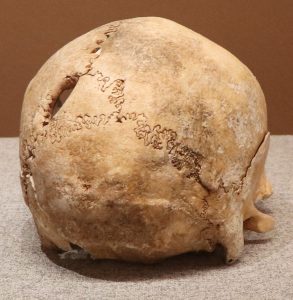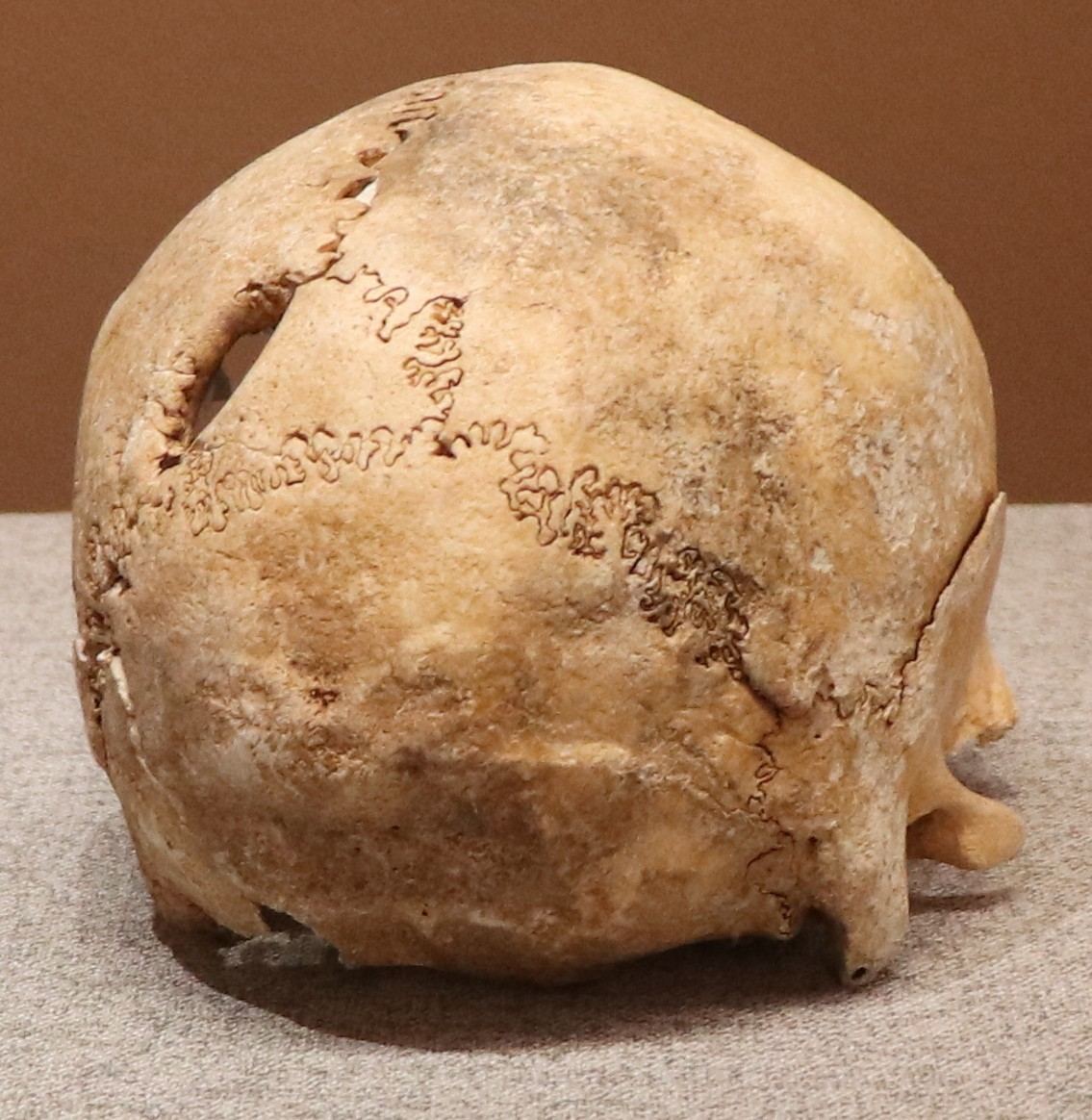
Modern humans are not the only people in our family tree. Neanderthals lived across Europe and western Asia for hundreds of thousands of years, making tools, burying their dead and surviving ice ages long before our own species arrived. When modern humans spread out of Africa, the two groups met and had children together, and the evidence of those encounters is still written in our DNA. Most people outside Africa carry between one and four percent Neanderthal ancestry, a legacy that shapes aspects of our biology today, from how our immune systems respond to infection to how our skin handles sunlight and cold. The mixing was not a single event but a long history of encounters, with modern humans and Neanderthals meeting repeatedly as our ancestors spread across Eurasia. Each meeting left a little more Neanderthal DNA in the gene pool, and the fragments that survive today are the ones that proved useful.
What the Evidence Shows
Ancient DNA has transformed our understanding of the human past, turning bones once dismissed as curiosities into readable records of who met whom. Scientists can now read the genomes of Neanderthals from bones tens of thousands of years old, and compare them with the DNA of living people to see which inherited fragments survived and why. Some Neanderthal genes appear to have helped early modern humans adapt to new climates and diseases, while others are linked to higher risks of certain conditions. The work has also shown that the Neanderthal story is more complex than once thought, with several meetings between the groups over thousands of years. Researchers say the DNA record is rewriting what it means to be human, showing that our species grew by mixing with its cousins. The work has revealed other lost relatives, including the Denisovans, whose DNA survives in people across Asia and the Pacific. Each new genome from an ancient bone adds another branch to a family tree that grows more tangled. Reporting and analysis from sources such as National Science Foundation track the same developments, and specialists following the Neanderthal DNA legacy say the direction is now consistent across independent lines of evidence.
The Wider Context
The wider context is a research landscape in which replication and open data now decide reputations. Findings connected to the Neanderthal DNA legacy are being checked by independent groups with shared datasets, and the teams involved publish their methods in full so rivals can test every step. That discipline is slower than a headline cycle, but it is why results in this area increasingly survive first contact with scrutiny.
What Happens Next
What happens next in the story of the Neanderthal DNA legacy will be decided by follow-up work already under way: larger samples, longer observation and instruments that have not yet come online. The researchers involved are unusually united on one point, that the current results justify the next investment of time and money. Readers will not have to wait long for the first tests of that claim. You can follow related developments in our coverage of science.
There is a practical lesson in all of this for readers deciding what to do today. Start with the verified facts, be wary of anyone promising certainty, and prefer reversible steps while the evidence is still developing. Circumstances differ by country, income and personal situation, so general guidance should always be weighed against your own context before you act on it in any significant or lasting way.