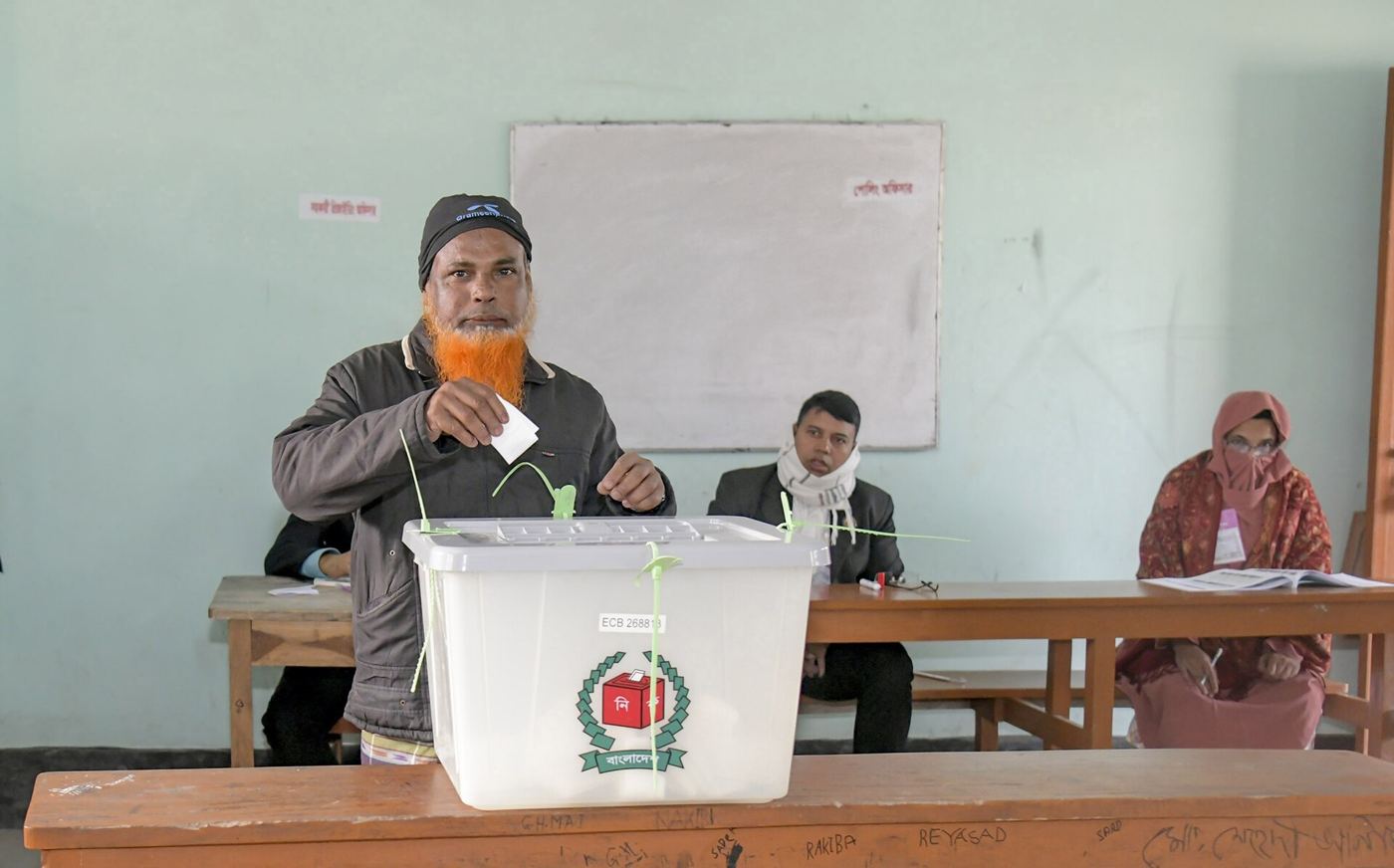
Democracies spend fortunes persuading people to do something that takes twenty minutes and decides who governs them — and in election after election, a third or more of the electorate declines. Low turnout is not a mystery of apathy alone. Political scientists who study non-voters find a tangle of habit, friction and belief that no single campaign slogan has ever untangled.
Habit, formed young
The strongest predictor of whether someone votes at forty is whether they voted at twenty. First elections cast a long shadow: young people who are registered automatically, reminded personally and taken to the polls by family tend to become lifelong voters, while those whose first experience is confusion or a queue tend to file voting under “not for me”. The Electoral Commission in the UK has repeatedly found that administrative friction — registration deadlines, ID requirements, polling stations that move — falls hardest on the young, renters and frequent movers, quietly shaping who the electorate actually is.
The belief that it changes nothing
Ask non-voters why they stayed home and the commonest answer is not laziness; it is futility. In safe seats, where the same party has won for decades, the individual vote visibly cannot change the local result, and many voters generalise that local maths into a national shrug. Comparative work by the International Institute for Democracy and Electoral Assistance, which tracks turnout across the world’s democracies, shows participation running persistently higher where electoral systems make more votes count toward the final allocation of seats — and where voting is treated as a civic default rather than an opt-in hobby.
What actually moves the needle
The interventions with the best evidence behind them are boring: automatic registration, weekend or holiday voting, polling places people can walk to, and reminders from people the voter knows. Celebrity campaigns and viral videos mostly preach to the already converted. Our Politics team returns to the turnout question every cycle because it decides more elections than any manifesto.
Turnout is a puzzle with a known solution set and a persistent implementation gap. The voters who stay home are not a rounding error; in many democracies they are the largest party of all — and every campaign knows it.
Compulsory voting is the elephant in the debate. Countries that require it — Australia and Belgium among them — routinely record turnout above ninety per cent, and their politics arguably bend toward the median voter as a result. Opponents counter that compelled participation manufactures reluctant, ill-informed ballots and turns a right into a chore. The evidence, such as it is, suggests habits formed under compulsion persist even where enforcement is light: the norm does the work long after the fine is forgotten.
Between compulsion and the status quo sits a middle shelf of reforms with quieter effects: same-day registration, postal voting without excuses, civic education tied to a real first ballot at school-leaving age. None of them will trend on social media. All of them nudge the same lever — making the first vote easy enough to become the second. Democracies are not usually lost in a single dramatic moment. They thin out, twenty quiet minutes at a time, at polling stations that stayed empty.