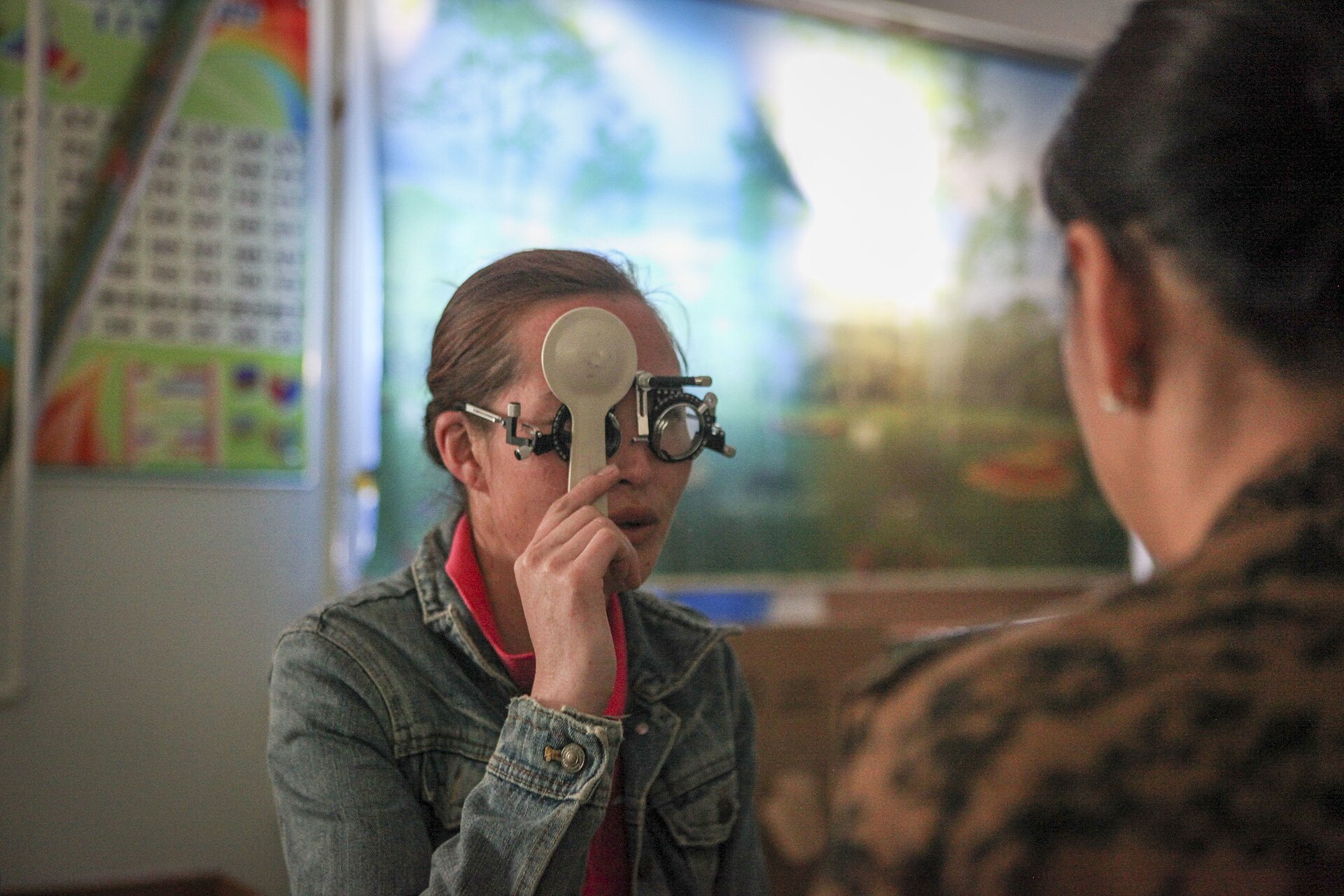
Tamoxifen has been a cornerstone of breast cancer treatment for decades, but it carries a known risk to the retina that can threaten vision. A large US study reported in today’s health research coverage has found that tamoxifen eye checks meant to catch that damage early are barely happening: just 7.0% of patients prescribed the drug had an ophthalmic encounter within a year of starting treatment, and only 1.7% received the retinal imaging that can detect toxicity before symptoms appear.
What the Data Show
Investigators analysed records from the National Institutes of Health’s All of Us research programme, covering 5,136 participants, including 2,327 tamoxifen users. Follow-up rates were flat across the United States between 2000 and 2022, suggesting the gap is systemic rather than local. Patients who already had glaucoma or diabetic retinopathy were seen far more often — a 25.0% encounter rate, against 6.3% for those without existing eye disease — which implies monitoring happens when an eye problem already exists, not as routine prevention for everyone on the drug.
The Guideline Gap Behind Missed Tamoxifen Eye Checks
Part of the problem is structural. Despite tamoxifen’s established association with retinal toxicity and potential vision loss, there are no formal US screening guidelines mandating eye monitoring for patients taking it. Oncologists focus, understandably, on the cancer; ophthalmology referrals depend on individual practice habits. Patients, meanwhile, may never be told their cancer drug can affect their eyes. The study’s authors argue this is exactly the kind of silent risk that modern health tracking should catch, as consumer technology moves from step counters to genuine health guardians.
Why It Matters Beyond One Drug
The findings land in a wider debate about long-term medication safety. Drugs taken for years accumulate low-probability harms that busy health systems are poor at policing. A cheap, periodic retinal scan is a modest intervention compared with irreversible vision loss, and breast cancer survivors — who may take tamoxifen for five to ten years — have the most exposure. Formalising screening into treatment pathways would not require new science, only coordination.
There are workable models elsewhere in medicine. Long-term therapies for HIV, epilepsy and autoimmune disease increasingly bundle scheduled monitoring into the prescription itself, with automated reminders and shared records between prescribers and specialists. Oncology pharmacists say a similar bundle for tamoxifen — a baseline retinal scan, then periodic imaging flagged automatically — could be built into existing electronic record systems without new legislation, if professional societies agree on the protocol.
Until guidelines catch up, the study leaves patients with a practical message: if you take tamoxifen, ask about your eyes. The check is simple, the risk is documented, and at present it is far more likely to happen if you request it yourself.