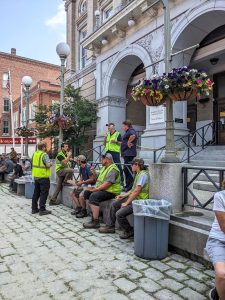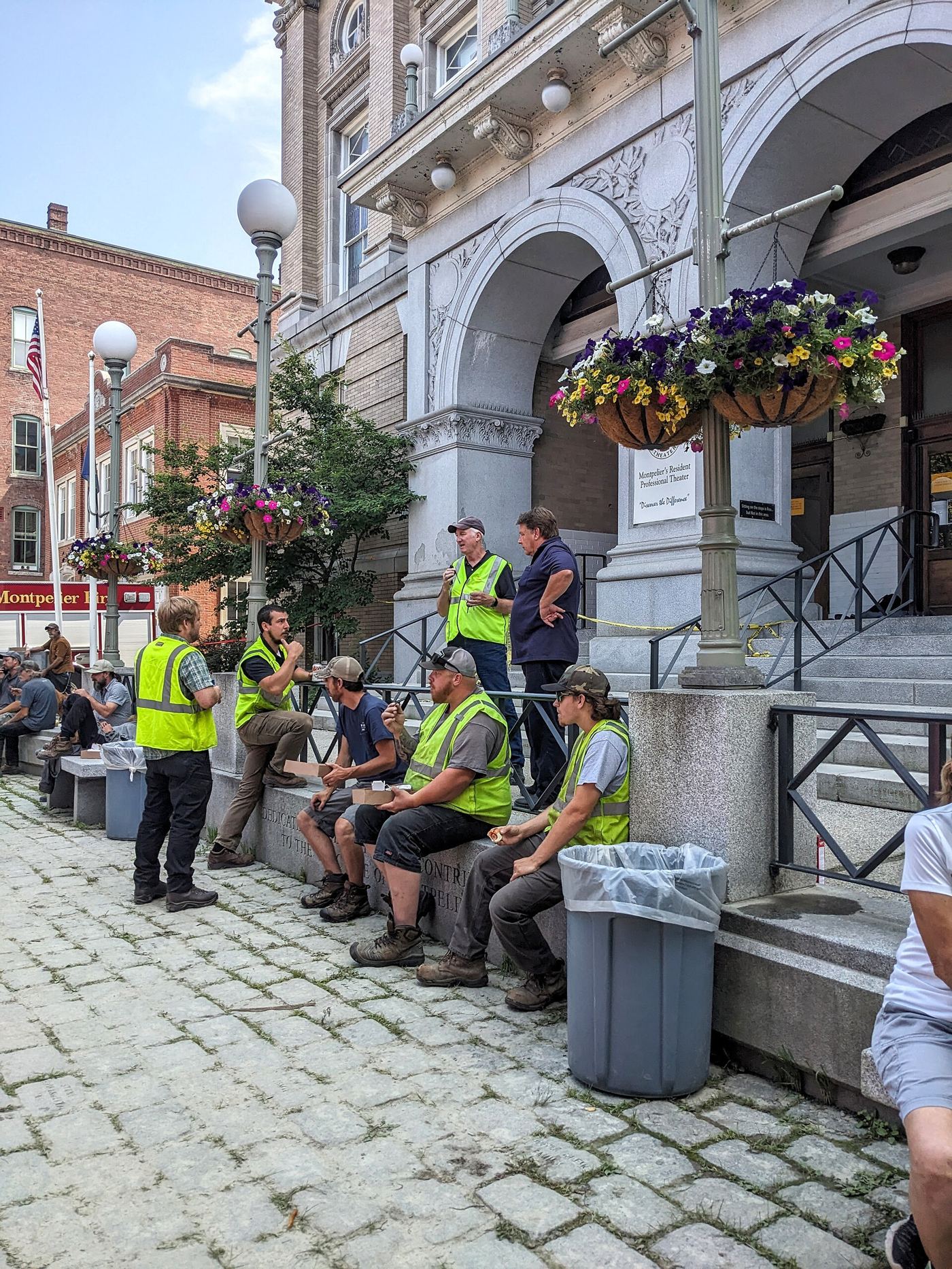
Cleanup crews have spent the week clearing mud, damaged furniture and fallen branches from streets left under water after the river burst its banks, as the town begins the slow task of returning to normal. Workers in waterproof clothing and high-visibility jackets have used pumps, shovels and small diggers to shift the thick silt that settled across roads and pavements, while lorries carried away ruined carpets, broken fences and waterlogged belongings piled outside homes. The council said the main roads through the town centre would reopen in stages, with the worst-affected streets cleaned first so residents could reach their homes and shops could begin trading again. Volunteers from neighbouring villages joined the effort, handing out hot drinks and helping elderly residents move damaged items to the kerb. Local officials thanked everyone involved, saying the speed of the cleanup showed how quickly a community can pull together once the water recedes. Officials said the cleanup would continue until every affected street was safe to use again.
What the Evidence Shows
Engineers said the next stage of the work would focus on drains and culverts, which were blocked by silt and debris during the flood and need clearing before the next heavy rain. They added that checks would also be made on bridges and retaining walls, where fast-moving water may have weakened foundations that are not visible from the road. Residents were advised to photograph any damage before clearing it, so insurance claims could be supported, and to report cracks or subsidence to the council rather than attempting repairs themselves. The council confirmed that a review of flood defences would follow, looking at whether higher barriers or better drainage could protect the lowest streets in future. Traders said they hoped to reopen within days, though several warned that replacing stock and repairing floors would take far longer than clearing the mud. Shopkeepers said they hoped the reopened streets would bring customers back quickly. Reporting and analysis from sources such as BBC News track the same developments, and specialists following the flooded street cleanup say the direction is now consistent across independent lines of evidence.
The Wider Context
The wider context is a public conversation conducted at a speed institutions were not built for. Developments around the flooded street cleanup are announced, contested and revised within a single news cycle, and the officials involved have learned to publish evidence alongside claims so that scrutiny can actually occur. Trust, the polling suggests, follows that transparency more than it follows confidence.
What Happens Next
What happens next in the story of the flooded street cleanup will be decided in the places where it is being implemented, measured and argued about in public. The officials and organisations involved have committed to publishing progress data, and that commitment gives residents, businesses and journalists something firmer than promises to judge. The next milestones are dated, which means they can be checked. You can follow related developments in our coverage of news.
None of this will be settled by a single announcement, study or product launch. The pattern to watch is accumulation: independent confirmations, honest reporting of failures and steady improvement in the underlying numbers. Readers who follow those signals, rather than the loudest claim of the week, will understand this subject better than most of the commentary surrounding it suggests is possible.