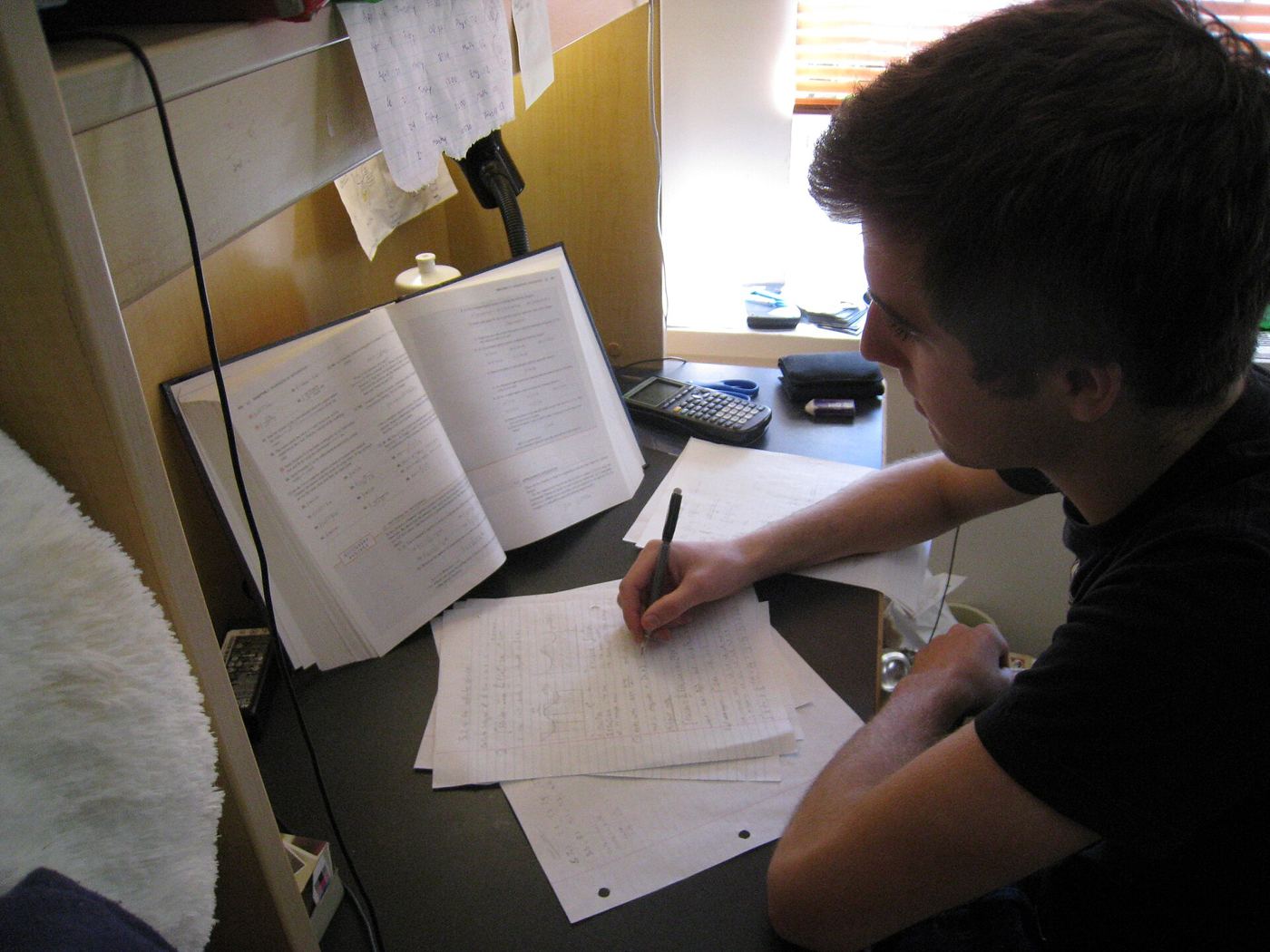
Students facing winter exams often reach for the most familiar revision method they know, reading their notes again and highlighting as they go. Learning psychologists say that comfortable routine feels productive while quietly delivering disappointing results when the exam actually arrives. Specialists following flashcard self testing for study recommend a more active approach with far stronger support. Writing a question on one side of a card and the answer on the other, then trying honestly to recall the answer before checking, forces the brain to practise exactly what an exam demands, retrieval. That effortful recall, even when it partly fails, strengthens later memory far more than another passive reading of the same page. Cards also reveal ignorance honestly and early. A deck quickly shows which topics are secure and which need urgent work, information that highlighting tends to hide behind a false sense of familiarity. Sessions can be short and frequent, with difficult cards returning more often than easy ones. Students often find the method more engaging too, because each card offers a small, clear challenge with immediate feedback attached.
What the Evidence Shows
Building a good deck takes a little care at the start of a course rather than a panic at the end. One clear question per card, written in the student’s own words, works better than copying long textbook paragraphs. Specialists following flashcard self testing for study advise mixing older topics into every session instead of studying one subject in a single block, because mixed practice builds more flexible understanding. Explaining an answer aloud before turning the card over adds another layer of honest testing. Study groups can use shared decks to quiz each other, which combines retrieval practice with the motivation of company. Digital apps offer the same principles with automatic scheduling, and paper cards work well too. Psychologists are not dismissing notes. Good notes are the raw material for good questions. The shift is in how revision time is spent. Test first, check honestly, repeat the hard ones, and memory will repay the effort. Reporting and analysis from sources such as American Psychological Association track the same developments, and specialists following flashcard self testing for study say the direction is now consistent across independent lines of evidence.
The Wider Context
The wider context is a discipline rebuilding confidence through replication and pre-registration, and findings on flashcard self testing for study are being reported with their effect sizes and limits attached. That honesty can make results sound smaller than the headlines of a decade ago, but the effects that survive are the ones practitioners can responsibly build on.
What Happens Next
What happens next in research on flashcard self testing for study is a turn toward real-world trials: longer, larger and conducted in the schools, workplaces and clinics where the findings are meant to apply. Psychologists are also studying individual differences more seriously, because average effects conceal the people for whom an approach works powerfully and those it leaves cold. Both shifts make the science slower and more useful. You can follow related developments in our coverage of psychology.
There is a practical lesson in all of this for readers deciding what to do today. Start with the verified facts, be wary of anyone promising certainty, and prefer reversible steps while the evidence is still developing. Circumstances differ by country, income and personal situation, so general guidance should always be weighed against your own context before you act on it in any significant or lasting way.