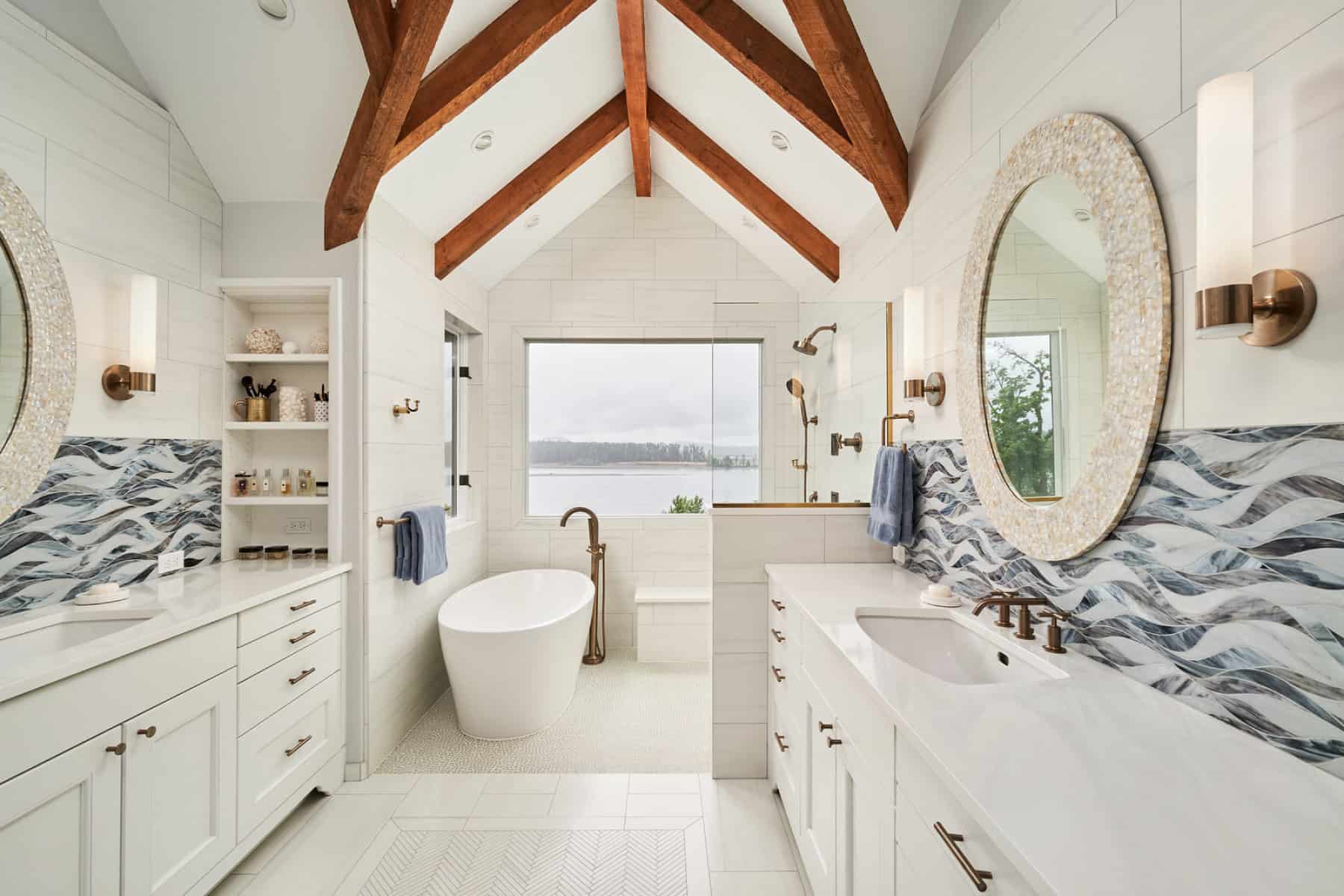
A coastal-inspired bathroom can create a fresh, relaxing and comfortable space that reflects the natural beauty of seaside surroundings. Light colours, natural textures, practical storage and carefully selected materials can help transform an ordinary bathroom into a welcoming retreat.
However, planning a coastal bathroom renovation involves more than choosing blue tiles and beach-inspired decorations. Homeowners need to consider moisture resistance, ventilation, material durability, lighting, layout and everyday functionality. These factors become particularly important for properties located near the coast, where humidity and salt exposure can affect building materials and bathroom fixtures.
A successful renovation should balance the desired coastal appearance with practical requirements. By making informed decisions during the planning stage, homeowners can create a bathroom that looks attractive, functions well and remains suitable for everyday use.
Understanding the Coastal Bathroom Design Style
Coastal bathroom design takes inspiration from natural seaside environments. It often combines light colours, organic textures and simple finishes to create a calm and open atmosphere.
Some common design characteristics include:
- Soft white and sandy colour palettes.
- Light blue and sea-inspired accent colours.
- Natural timber finishes.
- Stone and textured surfaces.
- Simple bathroom fixtures.
- Open and uncluttered layouts.
- Natural light and subtle decorative details.
Homeowners considering coastal bathroom renovations should think about how these elements will work together within their available space. The objective is to create a balanced interior rather than filling the bathroom with too many beach-themed accessories.
1. Choosing the Right Colour Palette
Colour selection plays an important role in creating a coastal-inspired bathroom. Lighter shades can make a bathroom feel more open and create a connection with the natural colours associated with coastal environments.
Popular colour combinations include:
- White and soft blue.
- Sand and warm beige.
- Light grey and natural timber.
- Cream and pale green.
- White and subtle ocean-inspired tones.
White walls and light-coloured tiles can provide a clean foundation, while blue or green accents can introduce additional character.
Homeowners should also consider the size of the bathroom and the amount of natural light available. Smaller bathrooms may benefit from lighter finishes that help create a more spacious appearance.
2. Selecting Materials for Coastal-Style Bathrooms
Material selection is one of the most important decisions when planning a coastal bathroom. The finishes need to complement the design while handling regular moisture exposure and cleaning.
Coastal-style bathroom renovations can incorporate materials and finishes such as natural-look tiles, stone-inspired surfaces, timber-look cabinetry and textured finishes.
Some options to consider include:
- Porcelain tiles: Suitable for many bathroom applications and available in a range of colours, patterns and textures.
- Natural stone: Can introduce an organic appearance, although the specific stone may require sealing and regular maintenance.
- Timber-look finishes: Provide warmth without necessarily using natural timber in moisture-prone areas.
- Glass: Can help maintain an open appearance, particularly in shower screens and other bathroom features.
- Water-resistant cabinetry materials: Help protect storage areas from everyday bathroom moisture.
Homeowners should check the suitability, installation requirements and maintenance instructions for each product before making a final selection.
3. Choosing Bathroom Tiles and Flooring
Tiles are a major visual feature in coastal bathroom design. They can influence the overall appearance of the room while also providing practical protection for floors and walls.
Large-format tiles can create a clean, simple appearance, while smaller feature tiles can introduce texture and detail.
When selecting bathroom flooring, consider:
- Slip resistance appropriate for wet areas.
- Water resistance.
- Ease of cleaning.
- Durability under regular use.
- Compatibility with the selected wall finishes.
- Suitable installation and waterproofing requirements.
For a coastal-inspired appearance, homeowners may consider sandy-coloured floor tiles, pale stone finishes or subtle blue feature tiles.
The visual style should never take priority over safety and suitability for wet areas.
4. Planning Lighting and Natural Ventilation
Lighting can significantly influence the atmosphere of a coastal bathroom. Natural light helps create a bright environment, while suitable artificial lighting makes the space practical throughout the day.
Where possible, homeowners can consider windows, skylights or other suitable ways to improve natural light.
Artificial lighting may include:
- Ceiling lights for general illumination.
- Mirror lighting for grooming activities.
- Task lighting near vanity areas.
- Accent lighting for selected design features.
Ventilation is equally important. Bathrooms generate moisture through showers, baths and everyday use. Without appropriate ventilation, excess moisture can contribute to condensation, mould and damage to finishes.
An appropriately sized exhaust fan and suitable ventilation arrangements should be considered during renovation planning.
5. Choosing Vanities, Storage and Fixtures
A coastal bathroom should look simple and organised while providing enough storage for everyday essentials.
The vanity is often one of the most noticeable features in the room. Light-coloured cabinetry, timber-look finishes and simple handles can complement the coastal design style.
Homeowners should consider:
- Vanity size and available floor space.
- Storage drawers and cupboard arrangements.
- Mirror size and positioning.
- Tapware finish and maintenance.
- Basin style and functionality.
- Practical access to plumbing connections.
Brushed nickel, chrome and selected matte finishes may complement coastal interiors, depending on the colour palette and other fixtures.
Storage should also be planned carefully to avoid cluttering benchtops and reducing usable space.
6. Creating a Practical Shower and Bath Layout
The shower and bath arrangement should suit the bathroom’s size and the household’s needs.
A frameless or semi-frameless glass shower screen can help maintain an open appearance. A freestanding bath may create a visual feature in a larger bathroom, while a well-designed shower can be a practical choice where floor space is limited.
Before finalising the layout, consider:
- Available floor space.
- Shower entry and access.
- Drainage and waterproofing.
- Bath placement, if required.
- Storage near the shower.
- Cleaning and maintenance access.
The layout should also comply with relevant building and plumbing requirements.
7. Protecting Bathroom Materials from Coastal Conditions
Homes located near the coast may experience greater exposure to salt-laden air and higher humidity. These conditions can affect certain metals, fixtures, fittings and building materials over time.
Homeowners should consider material suitability before selecting bathroom products.
Useful precautions include:
- Choosing corrosion-resistant tapware and fittings suitable for the environment.
- Checking product warranties and maintenance recommendations.
- Selecting suitable sealants and grout.
- Ensuring bathroom ventilation is effective.
- Maintaining waterproofing and addressing leaks promptly.
- Cleaning surfaces according to manufacturer instructions.
Not every product labelled as suitable for bathrooms will automatically be appropriate for properties with higher coastal exposure. Checking the manufacturer’s specifications is important.
8. Setting a Realistic Bathroom Renovation Budget
Budget planning helps homeowners make decisions about materials, fixtures, labour and design features before construction begins.
The overall renovation cost depends on the size of the bathroom, the condition of the existing space, the selected materials and the extent of plumbing or electrical changes.
Common budget considerations include:
- Design and planning.
- Demolition and waste removal.
- Plumbing and electrical work.
- Waterproofing.
- Tiling and flooring.
- Vanity and storage installation.
- Shower screens and bathroom fixtures.
- Painting and finishing work.
- Labour and project management.
Homeowners should obtain detailed quotations and understand what is included in each proposal. It is also sensible to allow for unexpected costs, particularly when renovating older bathrooms where hidden water damage or plumbing issues may be discovered.
9. Working with the Right Renovation Professionals
Bathroom renovations involve several specialised tasks, including plumbing, electrical work, waterproofing, tiling and installation. Coordinating these activities is important for achieving a suitable final result.
Before appointing a renovation professional, homeowners should consider their experience, previous projects, quotation details and communication process.
Useful questions include:
- Have they completed similar bathroom renovation projects?
- Can they help with material and fixture selection?
- Who will coordinate the different trades?
- What is included in the quotation?
- How will waterproofing and other compliance requirements be addressed?
- What is the expected project timeframe?
- What warranties and documentation will be provided?
Homeowners should also verify the relevant licences and qualifications for regulated work.
Creating a Coastal Bathroom That Lasts
A successful coastal bathroom renovation combines attractive design with practical material selection, suitable ventilation and a functional layout. Light colours, natural textures, carefully selected tiles and simple fixtures can help create a relaxing interior inspired by seaside surroundings.
However, homeowners should consider more than appearance when planning the renovation. Moisture protection, corrosion resistance, slip-resistant flooring, storage and maintenance requirements all contribute to the long-term suitability of the finished bathroom.
Taking time to plan the layout, compare materials and select experienced renovation professionals can help homeowners achieve a bathroom that reflects their preferred coastal style while supporting everyday comfort and functionality.