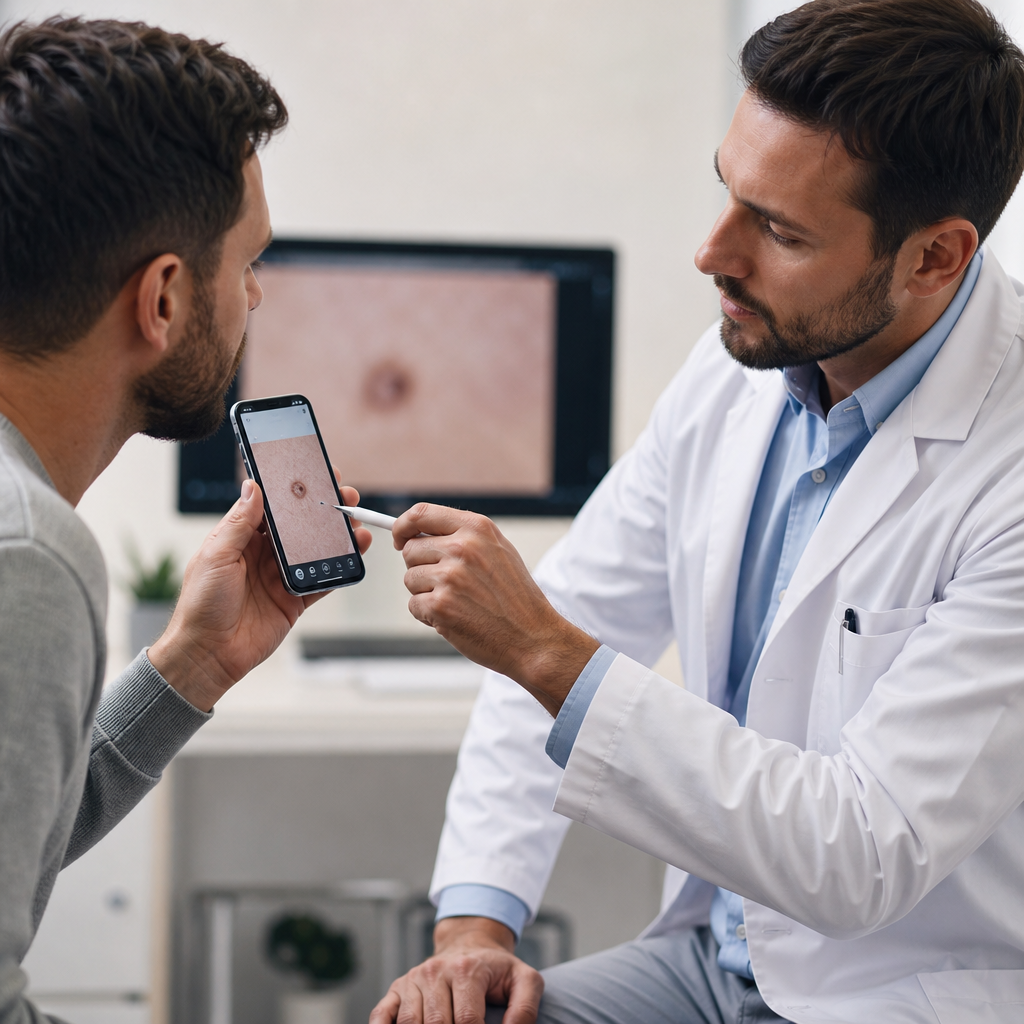
Wearable technology has transformed how we monitor heart rate, sleep patterns, and daily activity levels, but the connection between these devices and skin health often goes unnoticed. The data collected by fitness trackers and smartwatches can reveal patterns that intersect with dermatological conditions, from stress-related flare-ups to medication side effects that alter circulation. Understanding this relationship helps patients make more informed decisions about when self-monitoring is sufficient and when professional medical evaluation becomes necessary.
The Overlap Between Wearable Data and Skin Conditions
Many chronic skin conditions respond to physiological changes that wearable devices measure indirectly. Elevated resting heart rate and disrupted sleep cycles often coincide with inflammatory skin conditions like eczema or psoriasis. Stress hormones trigger immune responses that manifest on the skin, and devices tracking heart rate variability can sometimes identify these patterns before visible symptoms worsen. However, wearables measure correlation, not causation. A spike in nighttime heart rate might align with a rash outbreak, but the device cannot diagnose whether the rash caused poor sleep or whether stress triggered both symptoms simultaneously.
Temperature sensors in newer wearables add another data point. Skin surface temperature changes can indicate infection or inflammation, though these readings remain less precise than clinical thermometers. Some users notice their device registers higher skin temperatures during contact dermatitis episodes or when autoimmune conditions flare. This information provides context for medical consultations but should never replace professional assessment, particularly when symptoms persist beyond a few days or worsen despite home treatment.
When Self-Tracking Requires Medical Follow-Up
Wearable technology excels at identifying trends over weeks or months, which proves valuable when preparing for dermatology appointments. Patients who track symptoms alongside device data can show physicians exactly when flare-ups occur relative to sleep quality, physical activity, or stress levels. This combination of subjective experience and objective measurement helps dermatologists distinguish between conditions that respond to lifestyle modification and those requiring pharmaceutical intervention.
Certain warning signs demand immediate professional attention regardless of what tracking data shows. Sudden changes in mole appearance, persistent itching without visible cause, rashes accompanied by fever, or skin lesions that bleed or fail to heal within two weeks all require dermatological evaluation. For residents in the UAE seeking comprehensive evaluation of persistent or complex skin concerns, consulting the best skin specialist in abu dhabi ensures access to diagnostic tools and treatment options that extend far beyond what consumer devices can provide. Specialized care becomes particularly important when symptoms suggest melanoma, autoimmune disorders, or medication reactions that could affect multiple organ systems.
The Role of UV Exposure Monitoring
Some wearables now incorporate UV sensors that estimate cumulative sun exposure throughout the day. In regions with high solar radiation like the Middle East, this feature helps users understand their actual exposure compared to perceived time outdoors. The sensors measure UV index and calculate estimated vitamin D synthesis alongside warnings when exposure reaches levels associated with skin damage. These tools work best as preventive aids rather than diagnostic instruments.
UV tracking becomes more meaningful when combined with phototype assessment and family history. Someone with fair skin and a history of sunburns may find that their wearable consistently shows high exposure during morning commutes, prompting behavioral changes like seeking shade or applying broad-spectrum sunscreen earlier in the day. However, the technology cannot assess existing damage or detect precancerous lesions. Annual skin examinations remain the standard for early detection of sun-related skin damage, particularly for individuals with extensive sun exposure history or multiple risk factors.
Medication Management and Device Compatibility
Dermatological treatments sometimes interact with wearable device readings in unexpected ways. Systemic medications for severe acne or psoriasis can alter heart rate, sleep architecture, or temperature regulation. Patients taking isotretinoin might notice changes in exercise recovery metrics as the medication affects lipid levels and joint comfort. Biologic therapies for autoimmune skin conditions occasionally produce fatigue that appears in step count data or resting heart rate changes.
Tracking these patterns helps distinguish medication side effects from disease progression. A patient whose sleep quality declined after starting a new topical steroid can present this data to their dermatologist, potentially identifying an allergic reaction to an inactive ingredient rather than treatment failure. Similarly, wearables that monitor daily activity can reveal whether phototherapy schedules conflict with peak energy hours, allowing for treatment timing adjustments that improve adherence without compromising efficacy.
Hospital Visits and Digital Health Records
When dermatological conditions require hospital admission for severe reactions, infections, or complications from treatment, the data from wearable devices can provide valuable baseline information. Emergency departments benefit from knowing a patient’s normal resting heart rate when assessing anaphylaxis risk or sepsis from infected skin wounds. Some hospital systems now integrate patient-generated health data from consumer devices into electronic medical records, though this practice varies by institution and country.
Understanding hospital admission procedures helps patients prepare necessary health information, including medication lists, allergy documentation, and recent symptom timelines. Wearable data supplements this information but does not replace formal medical history. Patients should bring charging cables for devices if extended monitoring might help the care team, though hospital policies on personal electronics vary. The most useful contribution from wearables during acute care involves pre-admission trending rather than real-time monitoring, which hospitals conduct through clinical-grade equipment.
Limitations of Consumer Health Technology
Wearable devices measure general wellness markers, not diagnostic parameters. Skin conditions result from complex interactions between genetics, immune function, environmental exposure, and microbial factors that no consumer device can fully capture. A fitness tracker might correlate stress with eczema flares, but it cannot identify specific triggers like nickel sensitivity, dust mites, or Staphylococcus aureus colonization. These distinctions require patch testing, skin cultures, or biopsy procedures available only through medical evaluation.
The accuracy of wearable sensors also varies by device quality, proper fit, and user physiology. Dark skin tones can reduce optical sensor accuracy for heart rate monitoring, and very thin or very thick wrists affect how well devices make consistent contact. Temperature readings from wrist-worn devices reflect local conditions more than core body temperature, limiting their usefulness for detecting systemic responses to skin infections or inflammatory conditions. Users should view wearable data as one information source among many rather than definitive medical evidence.
Integrating Technology with Traditional Dermatological Care
The most effective approach combines the trend-spotting capability of wearables with the diagnostic precision of clinical dermatology. Patients can use device data to identify potential triggers, track treatment response over time, and maintain accountability for lifestyle modifications that support skin health. This information becomes particularly valuable for chronic conditions requiring long-term management, where patterns emerge over months rather than days.
Dermatologists increasingly appreciate when patients bring organized symptom diaries supported by objective data from tracking devices. This preparation makes appointments more efficient and helps physicians make treatment decisions based on complete information. However, the quality of the patient-physician relationship still depends on clear communication about symptoms, treatment goals, and realistic expectations. Technology enhances this process but cannot substitute for the clinical judgment that comes from years of specialized training and direct patient examination.
The future of dermatological care will likely include tighter integration between consumer health devices and clinical systems, but current technology works best as a supplementary tool. Patients should maintain regular skin examinations, seek prompt evaluation for concerning changes, and use wearable data to support rather than replace professional medical guidance. The combination of self-awareness through tracking and expert dermatological care provides the most comprehensive approach to maintaining long-term skin health.