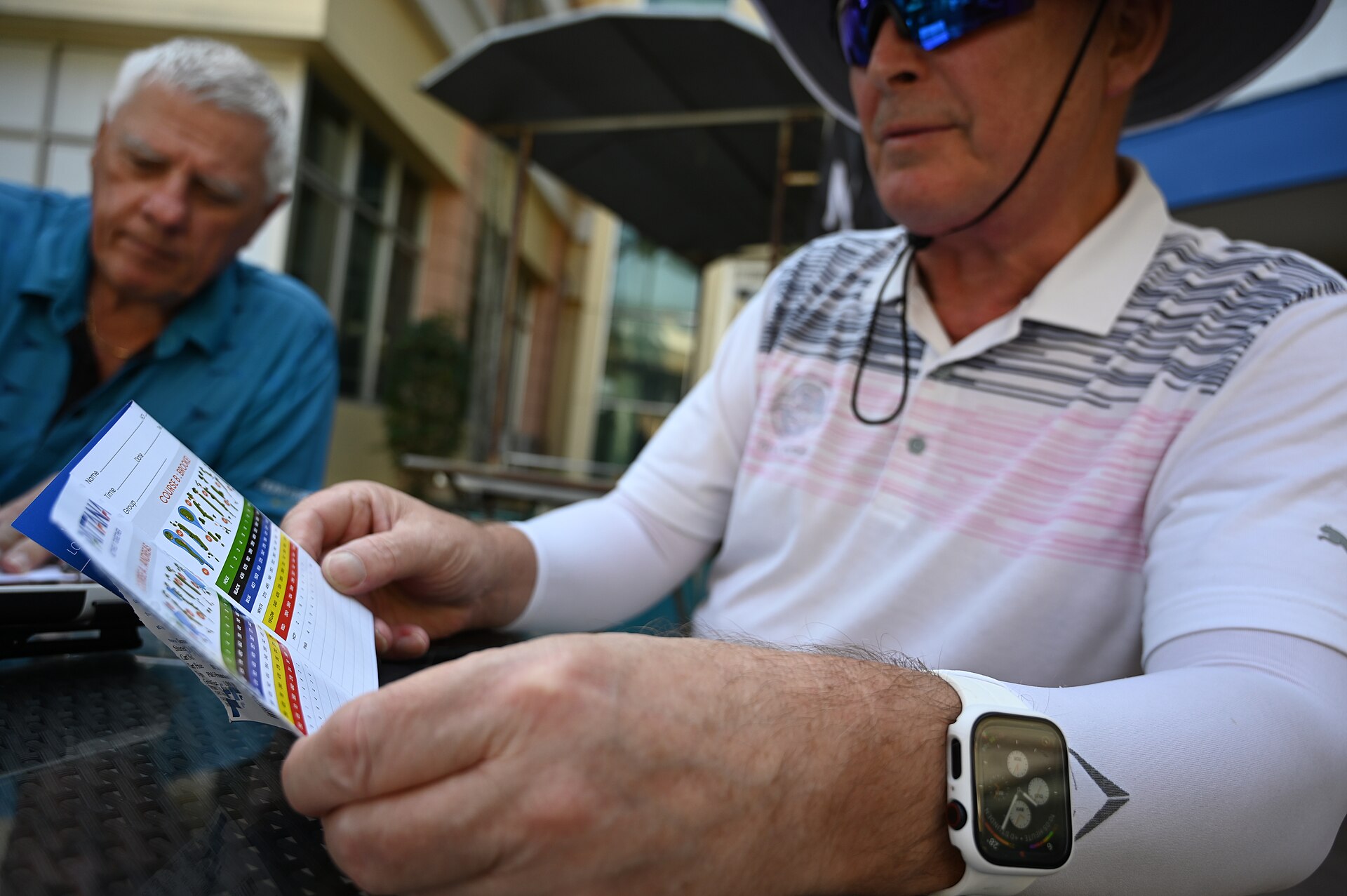
The wearable began as a pedometer with ambitions: count steps, draw a graph, gently shame its owner toward ten thousand. A decade on, the devices on our wrists measure heart rhythms well enough to flag medical conditions, track blood oxygen, estimate sleep stages, detect falls and crashes, and — in study after study — occasionally save a life by insisting its wearer see a doctor about a heart that felt fine. The step counter grew up into something closer to a medical instrument, and the industry is adjusting to what that means.
The shift shows in the marketing. Launches once led with fitness features now lead with health clearances: ECG functions approved by regulators, irregular-rhythm notifications validated in studies of hundreds of thousands, temperature sensing feeding cycle and illness insights. The customer has aged accordingly — the fastest-growing buyers are not athletes but people in their fifties and sixties managing conditions, and the adult children buying for them. Readers can follow more coverage like this on xposedmagazine24.com.
From Data to Diagnosis, Carefully
The clinical establishment’s position has evolved from scepticism to a guarded embrace. Cardiologists report patients arriving with wearable data that proved genuinely diagnostic — and others arriving anxious about normal variation their device flagged without context. The profession’s emerging consensus treats wearables as screening tools of real but bounded value: excellent at prompting investigation, insufficient to conclude it. Regulators have followed the same line, clearing specific claims one study at a time.
The science underneath keeps compounding. Algorithms trained on millions of nights of sleep data now detect patterns — in heart-rate variability, temperature, respiratory rate — that precede reported illness by days, and research programmes are testing whether such signals can flag everything from infections to the early drift of chronic disease. The wearable’s most valuable measurement may prove to be not any single metric but the personal baseline: knowing what normal looks like for you, specifically, over years.
The Costs of Constant Vigilance
A device that watches the body also watches its owner worry. Clinicians describe a new presentation — the patient reassured by examination but not by their watch — and psychologists note the paradox that tools bought for peace of mind can manufacture vigilance instead. Sleep tracking’s critics have even named a condition, orthosomnia: insomnia caused by pursuing perfect sleep scores. The industry’s response — softer language, weekly trends over daily verdicts — concedes the point that data without interpretation is anxiety with a battery. Further data and analysis on this subject are available from the World Health Organization.
Privacy runs underneath everything. Health data of this intimacy, held by consumer companies, is protected unevenly across jurisdictions, and the question of who else — insurers, employers, advertisers — might one day see it shadows every feature announcement. The industry’s stated answer is on-device processing and aggregation; the sceptic’s answer is to read the terms.
The Guardian on the Wrist
The research community has begun treating the devices as instruments in their own right — population-scale studies run on wearable data with consent, tracking everything from flu waves through cities to the recovery curves of surgical patients sent home early under a watch’s supervision. The guardian on the wrist doubles as a sensor for the species, and the studies it enables would have been unaffordable, at this scale, by any previous method.
The trajectory is toward the background: devices that ask less, notice more, and speak only when it matters — the fall detected, the rhythm that changed, the week the baseline drifted. That is a harder product to demonstrate than a step graph, and a more valuable one to own. The wearable’s first decade was about quantifying the self for its own sake. Its second looks like being about something older and simpler: a guardian that taps your wrist only when it counts. See also our companion piece: Streaming’s Next War Is Over Sports Rights, Not Shows.