

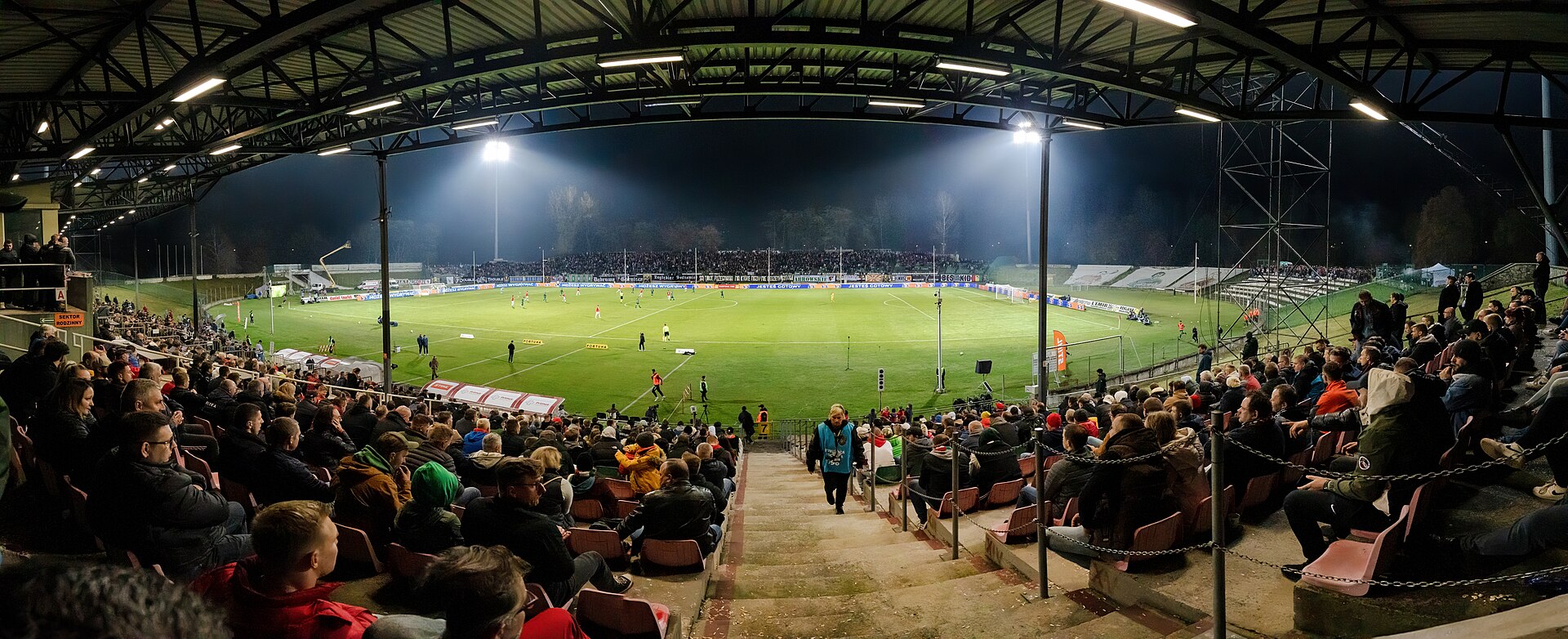
For thirty years, television sports rights were the most reliable business in media: audiences guaranteed, advertisers queuing, fees climbing on a schedule. Streaming has kept the first two and weaponised the third. The major platforms, having fought their scripted-content war to an expensive stalemate, have identified live sport as the last programming that audiences watch together, in real time, with the adverts on — and the bidding for it has become the entertainment industry’s main event.
The sums have reached the surreal. Domestic rights for top leagues now price in the billions per season, global packages stack higher, and mid-tier sports — darts, women’s football, fighting promotions — have seen their value multiply as platforms hunt for properties whose audiences they can own outright. Every renewal is reported like a transfer saga, because structurally it is one: fixed supply, richer buyers each cycle, and no substitute good. Readers can follow more coverage like this on xposedmagazine24.com.
Why Sport, Why Now
The logic is defensive as much as ambitious. Scripted hits leak between services — subscribers join for a show and leave when it ends — while a league’s season anchors a subscription for eight months and fills the calendar between dramas. Sport also solves streaming’s advertising problem: live breaks that viewers cannot skip, in programming brands consider safe, reaching the young men every other medium has lost. For platforms built on commerce or devices, sport is the hook that holds the ecosystem closed.
The leagues, for their part, have learned to slice. Packages are carved by day, by platform, by territory and by clip length, so that a single season can be sold several times over. The fan’s experience — once one subscription, now a spreadsheet of them — is the industry’s acknowledged casualty, managed with the careful regret of businesses that profit from the fragmentation they lament.
The Fan Pays, the Fan Protests, the Fan Pays
Research on the modern fan finds a consistent pattern: outrage at each new paywall, followed by subscription. Willingness to pay, it turns out, was never the constraint — tolerance for hassle is, and the industry’s longer-term bet is that consolidation, bundles and league-owned services will eventually reassemble what the bidding wars split. Until then, the pirate stream remains the market’s shadow competitor, its quality a standing reproach to the official product’s complexity. Further data and analysis on this subject are available from Deloitte’s sports business group.
There are early signs of a ceiling. A few recent renewals have landed flat; regional sports networks in the United States have collapsed outright as cord-cutting outran their fees; and leagues in smaller markets now weigh reach against revenue, fearing a generation priced out of watching at all. The smartest properties have started selling the future — direct-to-consumer services of their own — rather than renting the present at maximum price.
The Endgame Is Ownership
Read the trajectory and the destination is visible: the largest platforms will not merely carry sport but own pieces of its calendar, its data and eventually its teams’ media arms, while leagues build their own channels as insurance. The war’s prize is the habit of two billion people on match day — the most reliable appointment in entertainment.
The athletes are stakeholders now in a way their predecessors were not: image rights, revenue shares and the calendar itself — the number of matches the rights market’s hunger demands — are negotiated against player welfare with a frankness television never required. The fixture pile-up controversies in football are the rights war arriving, by the back door, on the pitch.
Concorde moments aside, industries rarely return to their old shape. Sport will remain live, communal and expensive; the only question the next rights cycle answers is whose screen it gathers on, and how many subscriptions it takes to see a whole season of the game you love. See also our companion piece: Wearables Grow Up: From Step Counters to Health Guardians.




1 Comment
Pingback: Wearables Grow Up: From Step Counters to Health Guardians - Xposed Magazine 24